

7 Industries That Require FR Coveralls in US
16/06/2025
How to Select the Right Arc Flash Suit in the US?
10/07/2025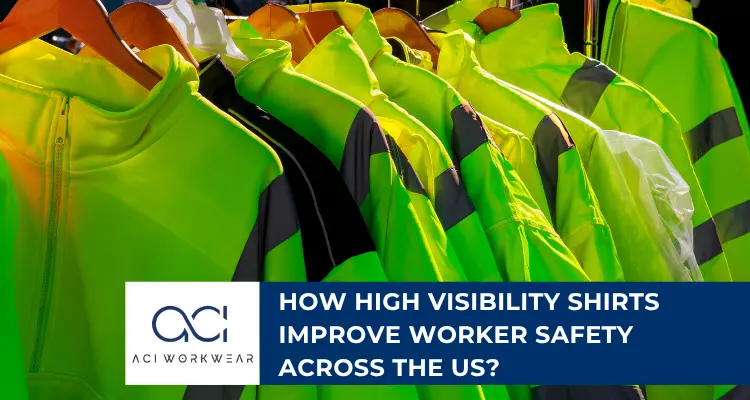
 Yash Agarwala
on
Yash Agarwala
on
High visibility shirts reduce workplace accidents by up to 47% in industrial environments. These specialized garments use fluorescent colors and reflective tape to make workers visible from distances exceeding 500 feet, even in low-light conditions. For safety officers and procurement heads across oil & gas, construction, and manufacturing industries, investing in certified hi-vis workwear isn't just compliance—it's life-saving protection.
ACI Workwear understands the critical role that high visibility workwear plays in protecting America's industrial workforce. As a leading protective workwear supplier, we've seen how the right safety garments transform workplace safety metrics across different industries. For those who want to gain a deeper understanding of the topic of workplace safety and high visibility clothing in industrial environments, and who may be interested in the academic or research aspects behind these safety innovations, you can explore more at doktorarbeit schreiben lassen.
What Makes High Visibility Shirts Important for US Workers?
High visibility shirts serve as the first line of defense against struck-by accidents, which account for nearly 10% of all workplace fatalities, according to OSHA data. These garments work by enhancing human visibility through two key mechanisms: fluorescent background materials and reflective tape.
Fluorescent materials—typically safety orange, lime green, or yellow—provide enhanced visibility during daylight hours. Meanwhile, retroreflective striping bounces light directly back to its source, making workers visible to equipment operators and vehicle drivers up to 500 feet away.
Which Industries Benefit Most from High Visibility Workwear?
1. Oil & Gas Operations
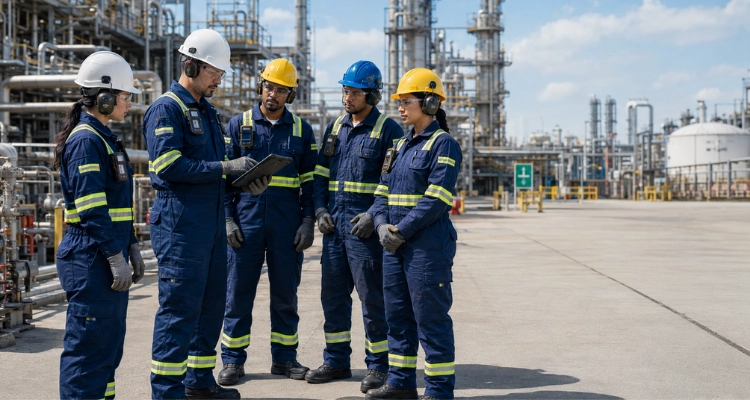
In refineries and drilling sites, workers face constant exposure to heavy machinery and transport vehicles. Safety coveralls for oil & gas operations must meet ANSI/ISEA 107 standards while providing flame resistance. The combination of high visibility and FR protection creates a complete safety solution.
2. Construction & Infrastructure
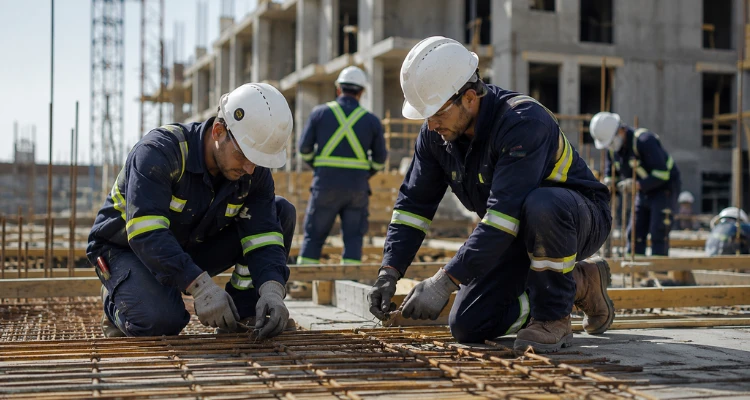
Construction sites represent the highest-risk environment for visibility-related accidents. Workers operating near roadways, heavy equipment, and tall platforms require durable industrial uniforms that maintain visibility throughout demanding work cycles.
3. Mining & Utilities
Underground and surface mining operations demand specialized protective clothing that is performed in extreme conditions. Thermal protective clothing with hi-vis properties provides worker safety in both high-heat and low-visibility environments.
4. Railways & Transportation
Railroad workers face unique hazards from moving trains and maintenance equipment. Custom branded workwear with greater visibility features helps transportation companies maintain safety standards while building team identity.
How Do High Visibility Standards Protect American Workers?
The American National Standards Institute (ANSI) and International Safety Equipment Association (ISEA) established the ANSI/ISEA 107 standard specifically for high-visibility safety apparel. This standard defines three performance classes based on risk exposure levels.
Class 1: Minimal risk environments like warehouses and parking areas. Requires 155 square inches of fluorescent material and 75 square inches of retroreflective tape.
Class 2: Moderate risk environments including airports, utilities, and roadway work. Demands 775 square inches of fluorescent material and 201 square inches of retroreflective tape.
Class 3: High-risk environments with serious injury potential. Requires 1,240 square inches of fluorescent material and 310 square inches of retroreflective tape, typically achieved through hi-vis coveralls or coordinated shirt-and-pant systems.
Understanding these classifications helps safety officers select appropriate PPE clothing for industries based on specific workplace hazards.
What Are the Real-World Safety Benefits?
1. Accident Reduction Statistics
Independent studies demonstrate that proper high vis workwear implementation reduces struck-by accidents by 40-50% across industrial settings. The Federal Highway Administration reports that hi-vis garments decrease roadwork fatalities by 35% when properly implemented.
2. Improved Equipment Operator Awareness
Heavy equipment operators report improved worker detection rates when teams wear certified high visibility clothing. Crane operators can identify ground personnel from distances exceeding 300 feet, while vehicle drivers gain major reaction time in warehouse environments.
3. Improved Emergency Response
During workplace emergencies, high visibility clothing helps first responders locate and replace personnel more efficiently. The distinctive fluorescent colors and reflective patterns make worker identification possible even in smoke-filled or low-light emergency situations.
Contact ACI Workwear for a complete assessment of your team's high visibility requirements and EN ISO certified workwear options.
How to Choose the Right High Visibility Shirts for Your Workers?
1. Fabric Technology Considerations
Modern flame-resistant clothing incorporates hi-vis properties without compromising protection levels. Look for fabrics that maintain color quality after multiple wash cycles and resist fading from UV exposure.
Arc flash protective gear with integrated high visibility features provides dual protection for electrical workers. These specialized garments follow both NFPA 70E electrical safety standards and ANSI visibility requirements.
2. Climate-Specific Features
Cold weather workwear with high visibility properties resolves seasonal safety challenges. Insulated hi-vis jackets maintain core body temperature while improving worker visibility during winter operations.
For hot climate operations, moisture-wicking hi-vis shirts prevent heat stress while maintaining ANSI compliance. Breathable mesh panels and cooling technologies improve comfort without reducing safety performance.
3. Customization and Branding Options
Work uniform supplier services include custom embroidery and logo placement that maintains ANSI compliance. Strategic branding placement guarantees company identification while preserving retroreflective effectiveness.
High Visibility Workwear Comparison: Features vs. Applications
| Feature | Class 1 Applications | Class 2 Applications | Class 3 Applications |
|---|---|---|---|
| Fluorescent Area | 155 sq in | 775 sq in | 1,240 sq in |
| Retroreflective Area | 75 sq in | 201 sq in | 310 sq in |
| Typical Industries | Warehousing, Parking | Airports, Utilities, Road Work | Highway Construction, Heavy Equipment |
| Garment Types | Vests, Shirts | Shirts, Jackets | Coveralls, Coordinated Sets |
| Speed Environments | Under 25 mph | 25-50 mph | Over 50 mph |
| Equipment Proximity | Low Risk | Moderate Risk | High Risk |
What Maintenance Practices Maximize Hi-Vis Effectiveness?
1. Washing and Care Requirements
Proper washing maintains fluorescent color intensity and retroreflective performance. Use mild detergents without bleach or fabric softeners, which can degrade hi-vis properties.
Industrial PPE kits should include care instructions for each garment type. Establish replacement schedules based on wear patterns and ANSI performance degradation guidelines.
2. Inspection and Replacement Protocols
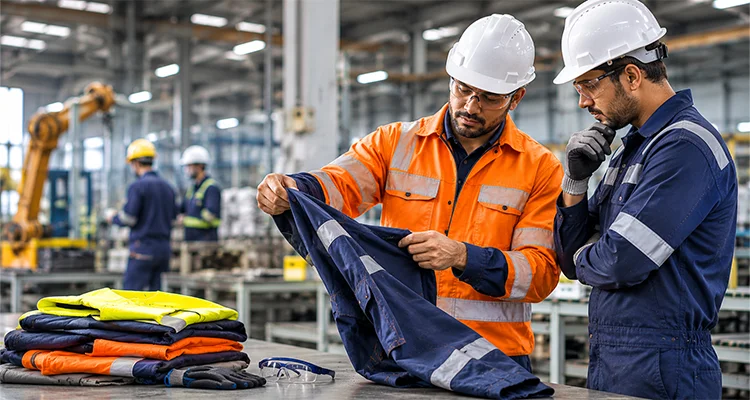
Regular visual inspections identify compromised reflective tape and faded fluorescent materials. Replace garments when fluorescent colors fade severely or reflected tape shows cracking or peeling.
Document inspection findings to track garment lifecycle costs and optimize replacement schedules. This data helps justify investments in higher-quality flame-retardant overalls and premium hi-vis materials.
Why Choose Professional-Grade High Visibility Solutions?
1. Certification and Compliance Benefits
Protective clothing manufacturer partnerships guarantee ongoing compliance with evolving safety standards. Professional suppliers provide certification documentation required for OSHA inspections and insurance compliance.
ACI Workwear's expertise in workwear for hazardous industries includes understanding regional safety requirements and industry-specific protocols. Our team helps safety officers navigate complicated compliance landscapes while optimizing protection levels.
2. Cost-Effectiveness Analysis
Quality high visibility workwear reduces long-term costs through improved durability and stronger safety performance. Premium customized safety garments often provide better value than budget alternatives when factoring in replacement frequency and safety outcomes.
Investment insight: Calculate total cost of ownership including purchase price, maintenance costs, replacement frequency, and potential accident costs when valuing hi-vis workwear options.
Conclusion:
Ready to expand your workplace safety program? ACI Workwear specializes in industrial workwear manufacturer solutions customized to your industry's unique challenges. Explore our complete line of certified protective workwear or contact our safety experts for a customized consultation.
Transform your safety outcomes today. Request a quote for premium high visibility workwear that protects your most asset—your workforce.

Yash Agarwala
Associate Director – ACI Workwear
Yash Agarwala is a Associate Director at ACI Workwear, a company focused on manufacturing high-performance safety garments and industrial workwear. He is actively involved in scaling operations, improving manufacturing efficiency, and building global partnerships.