

How to Select the Right Arc Flash Suit in the US?
10/07/2025
Why Freezer Clothing is Important for Industrial Workers in the USA?
08/08/2025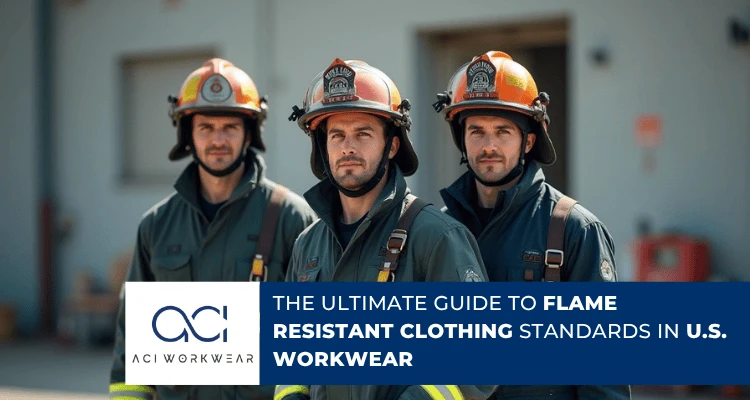
 Yash Agarwala
on
Yash Agarwala
on
Introduction
When workers face fire hazards daily, the right flame-resistant clothing can mean the difference between life and death. In the United States, strict safety standards govern industrial safety workwear to protect millions of workers across high-risk industries like oil & gas, mining, and construction.
ACI Workwear understands that choosing compliant FR workwear isn't just about maintaining regulations—it's about guaranteeing your team returns home safely every day. As a leading FR workwear manufacturer, we've gathered this complete guide to help safety managers, PPE distributors, and B2B buyers navigate the complex landscape of U.S. flame resistant clothing standards.
What Are Flame Resistant Clothing Standards, and Why Do They Matter?
Flame resistant clothing standards are mandatory safety requirements that guarantee protective garments can self-extinguish when exposed to flames or heat sources. These standards aren't suggestions—they're legal requirements enforced by OSHA across multiple industries.
The primary goal is simple: prevent burn injuries that kill over 3,000 workers annually in the United States. When flame resistant clothing joins proper standards, it provides important seconds for workers to escape dangerous situations.
Key benefits include:
- Immediate flame suppression when ignition sources are removed
- Reduced burn severity through advanced fabric technology
- Legal compliance with OSHA and industry-specific regulations
- Long-term cost savings through reduced workplace incidents
Which U.S. Standards Govern Flame Resistant Workwear?
NFPA Standards: The Gold Standard for FR Protection
NFPA 2112 serves as the leading standard for industrial flame resistant clothing. This standard specifically covers garments worn by workers exposed to flash fire hazards in industries like oil refineries, chemical plants, and petrochemical facilities.
NFPA 70E governs electrical safety, requiring FR workwear for workers exposed to arc flash hazards. This standard has become increasingly important as electrical incidents cause severe burns and fatalities in industrial settings.
ASTM Testing Methods: Guaranteeing Fabric Performance
ASTM F1506 provides the testing methodology for arc-rated protective clothing. Garments must pass hard testing to earn Arc Thermal Performance Value (ATPV) ratings that indicate protection levels.
ASTM D6413 tests fabric's flame resistance by measuring char length, afterflame time, and afterglow time. Quality IFR workwear suppliers use these metrics to verify fabric performance.
OSHA Compliance Requirements
OSHA mandates flame resistant clothing in specific situations:
- 29 CFR 1910.269 for electrical work
- 29 CFR 1926.95 for construction environments
- Industry-specific requirements for oil & gas operations
How Do Different FR Fabric Technologies Compare?
Understanding fabric technology helps you select the right protective clothing for workers based on specific hazard exposure levels.
| Fabric Type | Protection Level | Durability | Best Applications |
|---|---|---|---|
| Inherently Flame Resistant (IFR) | Permanent protection | 100+ wash cycles | Oil & gas, chemical plants |
| Flame Retardant Treated (FRT) | Treatment-dependent | 50–75 wash cycles | Construction, utilities |
| Modacrylic Blends | High arc rating | 75–100 wash cycles | Electrical work |
| Nomex/Kevlar | Premium protection | 150+ wash cycles | Firefighting, military |
Automatic flame-resistant fabric offers the most reliable protection because flame resistance is built into the fiber's basic structure, not applied as a surface treatment.
What Industries Require Specific FR Clothing Standards?
Oil & Gas Industry Requirements
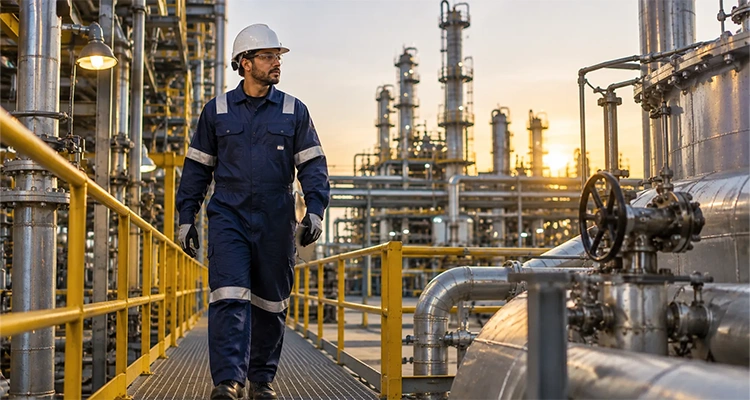
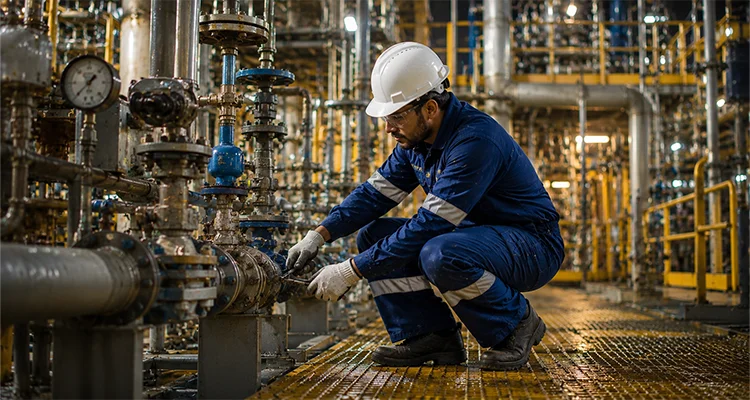
The oil & gas industry faces the highest flash fire risks, requiring NFPA 2112 compliant workwear. Workers need FR coveralls with minimum 8-cal/cm² protection for most operations.
Recent industry data shows that 40% of burn injuries occur during routine maintenance when workers aren't wearing proper coveralls for oil & gas industry operations.
Electrical Utilities Standards
Electrical workers must wear arc-rated clothing based on hazard risk assessment calculations. Hi-vis safety jackets with FR properties are mandatory for workers near energized equipment above 50 volts.
Construction and Mining Applications
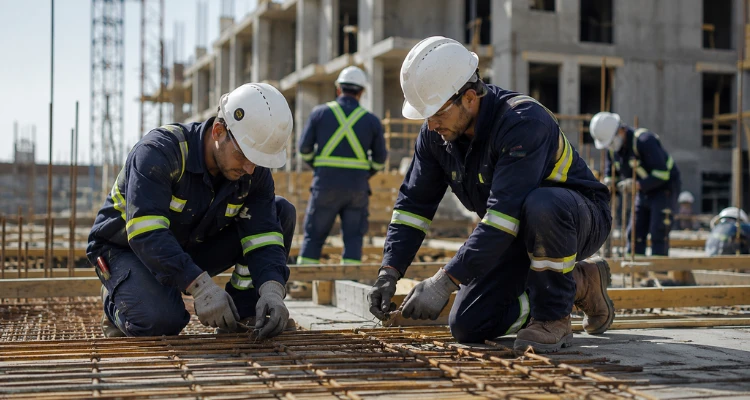
Construction workers exposed to welding, cutting, or electrical hazards need flame retardant overalls meeting ASTM F1506 requirements. Cold weather wear with FR properties becomes helpful for winter construction projects.
How to Choose the Right FR Clothing for Your Workplace?
Arc rating selection depends on Hazard Risk Category (HRC) levels determined by incident energy calculations:
HRC 1 (4 cal/cm²): Basic electrical maintenance
- Work shirts & trousers with inherent FR properties
- Hi-visibility workwear for outdoor electrical work
HRC 2 (8 cal/cm²): Standard electrical operations
- FR coveralls with full-body coverage
- Flame resistant clothing with arc rating labels
HRC 3 (25 cal/cm²): High-energy electrical work
- Multi-layer FR systems with underlayers
- Arc flash suits for maximum protection
HRC 4 (40+ cal/cm²): Extreme electrical hazards
- Specialized arc flash protective clothing
- Full face protection and insulated tools
What Are the Key Features of Compliant FR Workwear?
Primary Design Elements
Safety standards compliant uniforms must include:
- Self-extinguishing properties within 2 seconds
- No melt-drip characteristics that could cause additional burns
- Proper fit to prevent gaps in protection
- Reinforced stress points for industrial durability
Quality Indicators to Look For
When selecting a PPE clothing manufacturer, verify these quality markers:
- ISO & CE certified workwear documentation
- Third-party testing reports from certified laboratories
- Consistent arc rating labels on all garments
- Washability testing results showing retained protection
Advanced Features for Improved Protection
Modern industrial workwear suppliers offer greater features:
- Moisture-wicking properties for comfort in hot environments
- Multi-hazard protection combining FR, hi-vis, and chemical resistance
- Flexible design, improving worker mobility and productivity
How Often Should FR Clothing Be Replaced?
Replacement schedules depend on fabric technology and usage intensity:
IFR garments: Replace when physical damage occurs or after 100+ wash cycles FRT garments: Replace every 50-75 washes or annually, whichever comes first
Multi-hazard clothing: Monitor for chemical exposure that could compromise FR properties
Warning signs for immediate replacement:
- Visible fabric damage or excessive wear
- Failed flame resistance testing
- Exposure to chemicals that could affect FR properties
- Missing or illegible care labels and arc rating tags
What Should You Know About Global FR Standards vs. U.S. Requirements?
As a global workwear exporter, understanding international variations helps with multi-national operations:
U.S. Standards focus on NFPA and ASTM requirements with OSHA enforcement European Standards target EN ISO 11612 and EN 61482 for similar applications Canadian Standards largely mirror U.S. requirements with CSA additions
ACI Workwear specializes in manufacturing ISO & CE certified workwear that supports both U.S. and international standards, making compliance easier for global operations.
How to Implement a Successful FR Clothing Plan?
Step 1: Conduct Hazard Assessment
Work with safety professionals to identify specific fire and arc flash hazards in your workplace. Document required protection levels for different job functions.
Step 2: Select Appropriate Standards
Choose flame resistant clothing that supports or exceeds identified hazard levels. Consider multi-hazard environments requiring combined protection features.
Step 3: Partner with Certified Manufacturers
Work with established safety apparel manufacturers like ACI Workwear who provide:
- OEM/ODM workwear manufacturing for custom specifications
- Complete testing documentation
- Ongoing technical support for program implementation
Step 4: Train Workers on Proper Use
Educate workers on:
- Proper care and maintenance procedures
- When to replace damaged garments
- Layering requirements for different hazard levels
- Identification of compromised protection
Conclusion:
Selecting the right flame-resistant clothing requires understanding complex standards, fabric technologies, and industry-specific requirements. The investment in proper industrial safety workwear pays dividends through reduced injuries, lower insurance costs, and improved worker confidence.
ACI Workwear combines decades of manufacturing expertise with deep understanding of U.S. safety standards to deliver customized safety clothing solutions. Our complete range includes FR coveralls, hi-vis safety jackets, cold protective workwear, and specialized industrial uniforms designed for the coldest environments.
Ready to upgrade your safety program? Contact ACI Workwear today for a consultation on compliant flame-resistant clothing solutions customized to your specific industry requirements.

Yash Agarwala
Associate Director – ACI Workwear
Yash Agarwala is a Associate Director at ACI Workwear, a company focused on manufacturing high-performance safety garments and industrial workwear. He is actively involved in scaling operations, improving manufacturing efficiency, and building global partnerships.