

The Ultimate Guide to Flame Resistant Clothing Standards in U.S. Workwear
22/07/2025
How to Choose the Right Industrial Workwear for Steel Industry: A Comprehensive Guide
21/08/2025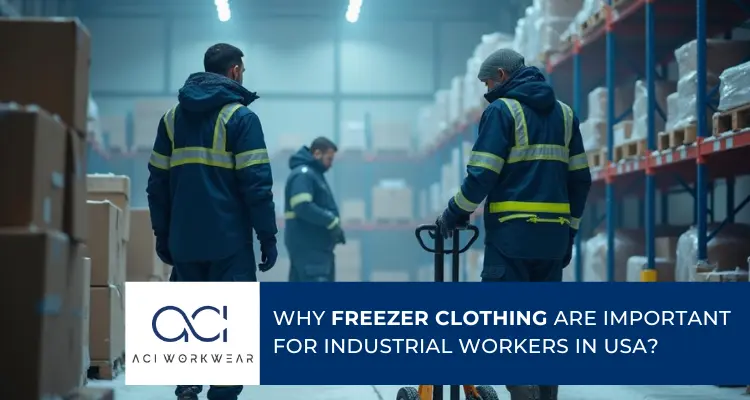
 Yash Agarwala
on
Yash Agarwala
on
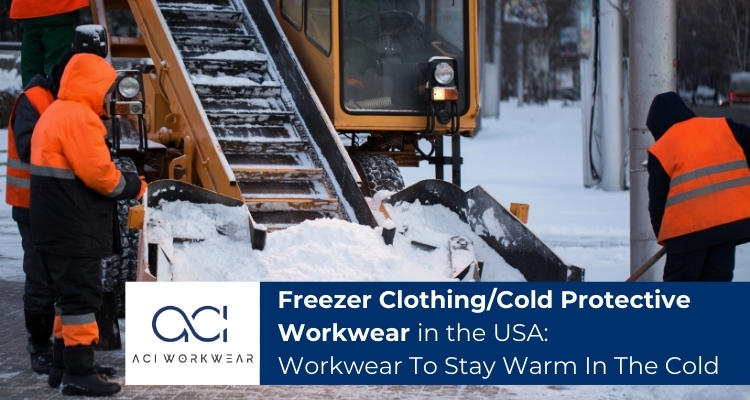
Industrial workers in the USA face extreme cold conditions daily, from frozen food production plants operating at -10°F to pharmaceutical cold storage facilities maintaining sub-zero temperatures. Freezer clothing isn't just workwear—it's life-saving protective equipment that prevents hypothermia, frostbite, and workplace injuries that cost American businesses billions annually.
ACI Workwear, a leading industrial workwear manufacturer, understands that proper cold protective clothing directly impacts worker productivity, safety compliance, and business operations across industries like food processing, pharmaceuticals, logistics, and chemical manufacturing.
What Makes Freezer Clothing Important for Industrial Safety?
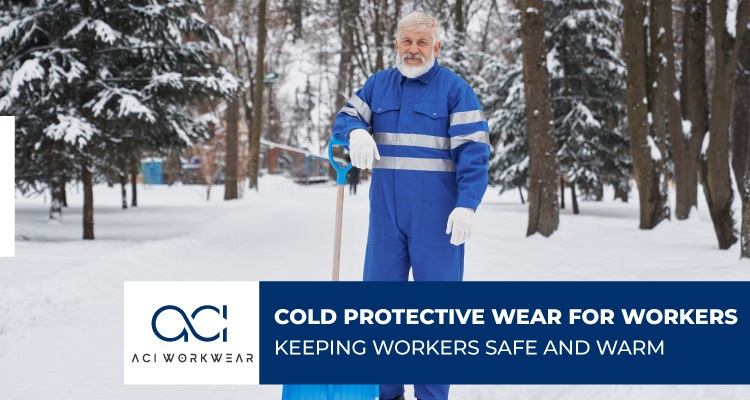
Freezer clothing serves as the primary connection between workers and potentially serious cold exposure. Unlike regular winter jackets, industrial freezer clothing is specifically created to maintain body temperature in environments ranging from 32°F to -40°F.
The human body loses heat 25 times faster in cold, wet conditions. Without proper protection, workers can develop hypothermia within 30 minutes of exposure to temperatures below 50°F, especially in high-humidity environments common in food processing facilities.
This specialized protective clothing supplier designs garments that create warm air pockets while allowing moisture to escape, preventing the dangerous combination of wet clothing and cold temperatures.
Which Industries Require Freezer Clothing the Most?
1. Food Processing and Cold Storage
The food processing industry employs over 1.7 million Americans, with many working in freezing conditions. Meat processing plants, frozen food facilities, and cold storage warehouses maintain temperatures between -10°F to 35°F.
2. Pharmaceutical and Biotechnology
Pharmaceutical companies require workers to handle temperature-sensitive medications and vaccines in controlled cold environments. These facilities often operate at temperatures below freezing for extended periods.
3. Logistics and Refrigerated Transportation
Refrigerated truck drivers and warehouse workers handling frozen goods face constant temperature fluctuations, requiring adaptable flame-resistant clothing manufacturer solutions that work in various cold conditions.
4. Oil & Gas Operations
Offshore drilling platforms and pipeline maintenance in northern states expose workers to harsh winter conditions combined with industrial hazards, requiring specialized arc-rated clothing with cold protection features.
How Does Cold Weather Impact Worker Performance and Safety?
Reduced Strength and Mental Function
Cold exposure reduces fine motor skills by up to 50% when hand temperature drops below 60°F. This damage increases accident rates and reduces work quality in precision tasks common in manufacturing and utilities.
Increased Injury Rates
Workers in cold environments experience 30% higher injury rates compared to those in normal temperatures. Common injuries include:
- Slips and falls on icy surfaces
- Equipment handling accidents due to reduced grip strength
- Cuts and punctures from handling frozen materials
- Repetitive strain injuries from muscle tension
Productivity Losses
Cold-stressed workers take more frequent breaks, work slower, and make more errors. Studies show productivity can decrease by 15-20% in unheated industrial environments without proper protective clothing.
What Are the Key Features of High-Quality Freezer Clothing?
1. Multi-Layer Insulation Systems
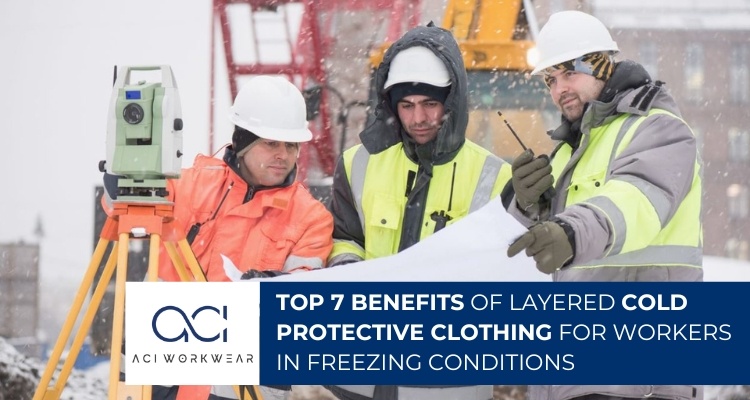
Professional freezer workwear uses multiple insulation layers—typically including a moisture-wicking base layer, insulating middle layer, and windproof outer shell. This system maintains warmth while avoiding overheating during physical activity.
2. Moisture Management Technology
Advanced high-visibility workwear incorporates moisture-wicking materials that move sweat away from the body. This prevents the dangerous cooling effect of wet clothing against skin in cold environments.
3. Durable Construction for Industrial Use
Like consumer winter clothing, industrial cold protective clothing must be durable:
- Chemical discharges and cleaning solvents
- Abrasion from rough surfaces and equipment
- Frequent washing and sanitization
- Sharp objects and potential punctures
4. Improved Visibility and Safety Features
Many freezer environments have poor lighting conditions. Integration with high-visibility clothing helps workers remain visible to equipment operators and emergency responders.
Freezer Clothing vs. Regular Winter Wear: What's the Difference?
| Feature | Regular Winter Clothing | Industrial Freezer Clothing |
|---|---|---|
| Temperature Rating | 20°F to 40°F | -40°F to 32°F |
| Duration Protection | 1–2 hours | 8+ hour shifts |
| Chemical Resistance | None | Chemical-resistant coatings |
| Visibility Features | Limited | Reflective tape, bright colors |
| Durability Standards | Consumer use | Industrial ANSI standards |
| Moisture Management | Basic | Advanced wicking systems |
| Fit Design | Loose/casual | Ergonomic for work tasks |
How to Choose the Right Freezer Clothing for Your Industry?
1. Assess Your Temperature Requirements
Identify the lowest temperatures workers will encounter and select clothing rated 10°F below that threshold. This safety margin accounts for wind chill and extended exposure periods.
2. Consider Activity Levels
High-activity jobs require more breathable materials to deal with overheating, while stationary positions need maximum insulation. Work uniforms manufacturer experts recommend different solutions based on job demands.
3. Review of Chemical Exposure Risks
Food processing environments require clothing resistant to cleaning chemicals and sanitizers. Chemical plant protective clothing must meet additional standards for specific substance exposure.
4. Factor in Mobility Requirements
Jobs requiring climbing, lifting, or precise movements need professionally designed Cold protective workwear that doesn't restrict range of motion while maintaining protection.
What Are the Regulatory Requirements for Cold Weather PPE?
OSHA Cold Stress Guidelines
While OSHA doesn't mandate specific cold weather clothing, employers must provide a workplace "free from recognized hazards." This includes protecting workers from cold stress in refrigerated environments.
ANSI Standards for Cold Weather Clothing
ANSI/ACGIH guidelines recommend specific clothing insulation values (CLO ratings) based on temperature, wind speed, and activity levels. Professional PPE clothing suppliers maintain compliance with these standards.
Industry-Specific Requirements
- USDA: Food processing facilities must meet specific hygiene and safety standards
- FDA: Pharmaceutical cold storage requires contamination-resistant materials
- MSHA: Mining operations in cold climates have additional safety requirements
How Does Proper Freezer Clothing Reduce Business Costs?
Lower Workers' Compensation Claims
Proper protective cold clothing reduces cold-related injuries by up to 75%, importantly lowering workers' compensation premiums and medical costs.
Reduced Absence
Workers in comfortable, protective clothing take fewer sick days and show up more consistently, reducing staffing disruptions and overtime costs.
Improved Productivity
Well-equipped workers maintain higher performance levels throughout their shifts, increasing overall operational efficiency and product quality.
Equipment Protection Benefits
Quality freezer clothing stops contamination in food processing environments and reduces the risk of accidents that could damage expensive equipment.
What Should You Look for in a Freezer Clothing Supplier?
Complete Product Range
Choose an exporter of industrial workwear that offers complete cold weather solutions, from base layers to outer shells, guaranteeing compatibility across the entire clothing system.
Customization Capabilities
Look for suppliers offering customized branded work clothes that match your specific industry requirements while maintaining company branding and identification needs.
Quality Certifications
Check that your protective clothing supplier holds relevant certifications such as:
- ISO 9001 quality management
- ANSI compliance testing
- Industry-specific approvals
After-Sales Support
Professional suppliers provide sizing assistance, care instructions, and replacement planning to maximize the durability and effectiveness of your investment.
Future Trends in Industrial Cold Weather Protection
Smart Clothing Technology
Modern technologies include heated clothing elements powered by rechargeable batteries and temperature monitoring systems that alert supervisors to possible cold stress situations.
Sustainable Materials
Eco-friendly insulation materials and recyclable outer shells are becoming more common as companies focus on environmental responsibility without compromising protection.
Enhanced Ergonomics
Advanced design techniques create lighter, more flexible cold weather clothing that provides superior protection while improving worker mobility and comfort.
Conclusion: Protecting Your Most Valuable Asset
Industrial workers facing cold environments deserve protection that goes outside basic winter wear. Quality freezer clothing from experienced suppliers like ACI Workwear represents an investment in worker safety, productivity, and long-term business success.
The choice isn't whether you can afford proper cold protective clothing—it's whether you can afford not to provide it. With injury prevention, productivity improvements, and regulatory compliance at stake, partnering with a professional protective clothing supplier ensures your workers stay safe, warm, and productive in even the harshest industrial environments.
Ready to upgrade your cold weather safety program? Contact ACI Workwear today for a complete consultation on freezer clothing solutions specific to your industry needs. Our team of experts will help you select the right protective equipment to keep your workforce safe and your operations running smoothly year-round.
Explore our complete range of cold protective and industrial safety clothing at acigroup.in or request a custom quote for your specific requirements. Your workers' safety and your business success depend on the right protective equipment choices—make them count.
Frequently Asked Questions About FR Coveralls

Yash Agarwala
Associate Director – ACI Workwear
Yash Agarwala is a Associate Director at ACI Workwear, a company focused on manufacturing high-performance safety garments and industrial workwear. He is actively involved in scaling operations, improving manufacturing efficiency, and building global partnerships.