

Oil Refinery Workwear Guide: Safety Standards, PPE Requirements & FR Clothing Selection
29/06/2026
Inherent vs Treated FR Clothing: Which Is Better for Industrial Workers?
27/07/2026
 Yash Agarwala
on
Yash Agarwala
on

Yash Agarwala
Associate Director – ACI Workwear
Yash Agarwala is a Associate Director at ACI Workwear, a company focused on manufacturing high-performance safety garments and industrial workwear. He is actively involved in scaling operations, improving manufacturing efficiency, and building global partnerships.
The right flame-resistant workwear does not just protect workers. It keeps operations compliant, reduces liability, and signals to every person on your site that safety is non-negotiable.
In 2026, global demand for FR and arc flash protective clothing is growing sharply. Oil and gas expansions, tighter OSHA and NFPA enforcement, and electrification of industrial infrastructure are pushing procurement teams to reassess their safety workwear suppliers.
This guide identifies what separates leading industrial workwear manufacturers from the rest and what your team should evaluate before signing any contract.
Key Takeaways
- FR clothing and arc flash protective clothing are distinct categories, though dual-rated garments exist and are widely used across Oil and Gas, Steel, and Electrical environments.
- The minimum certification benchmark for any serious industrial workwear manufacturer includes NFPA 2112, ASTM F1506 or IEC 61482, and EN ISO 11612 where European compliance is required.
- Evaluate manufacturers across five dimensions: certification portfolio, fabric quality, range of completeness, export capability, and customization support.
- Regular garment inspection is non-negotiable. FR fabric can degrade before visible damage appears. Build inspection cycles into your safety management system.
- Sustainable FR workwear options are now available and increasingly required by global procurement teams with ESG reporting obligations.
- ACI Workwear supplies certified FR, arc flash, and high-visibility safety apparel to industrial buyers across Mining, Oil and Gas, Construction, Chemical, Steel, and Railway sectors worldwide.
What Is FR and Arc Flash Resistant Clothing?
FR clothing and arc flash protective clothing is related but distinct product categories. Understanding the difference matters before you specify workwear for any industrial site.
Flame Resistant (FR) Clothing is made from fabrics that self-extinguish once the ignition source is removed. The fabric does not continue to burn. FR garments protect against flash fires, molten metal splatter, combustible dust, and chemical splashes in high-risk environments.
Arc Flash Protective Clothing is rated specifically for the energy released during an electrical arc flash event. These garments are classified by their Arc Thermal Performance Value (ATPV), measured in cal/cm2. The higher the ATPV rating, the greater the protection level.
Many certified garments address both hazards simultaneously. Dual-rated products are standard in Oil and Gas, Steel, Mining, Chemical, and Electrical sectors where workers face overlapping risk profiles.
Why Does FR and Arc Flash Clothing Matter More in 2026?
Regulatory pressure from OSHA, IEC, and national safety bodies is accelerating demand for third-party certified safety clothing exporters and manufacturers who can demonstrate full compliance documentation.
Key market drivers in 2026:
- NFPA 70E and OSHA 1910.269 enforcement has intensified across electrical industries
- Steel, Mining, and Oil and Gas sites are auditing subcontractor PPE compliance more rigorously than ever
- Sustainable industrial workwear solutions are becoming procurement criteria, not just a preference
- Global buyers are consolidating suppliers and prioritising industrial uniform exporters with multi-standard capability
- Arc flash incidents remain one of the leading causes of electrical worker fatalities worldwide
If your current FR clothing supplier cannot provide full certification documentation on request, that is a procurement risk that needs to be addressed before your next site audit.
What Certifications Should a Leading FR Clothing Manufacturer Hold?
Certifications are the baseline. A credible flame-resistant clothing manufacturer should hold multiple current, third-party verified certifications relevant to your industry and geography.
| Certification | Scope | Key Industries |
| NFPA 2112 | Flash fire protection for industrial garments | Oil and Gas, Chemical, Petrochemical |
| NFPA 70E | Arc flash protection in electrical environments | Electrical, Utilities, Steel |
| ASTM F1506 | Arc-rated textile performance standard | Electrical, Industrial |
| IEC 61482-2 | Arc flash protection (international standard) | Global Manufacturing, Energy |
| EN ISO 11612 | Heat and flame protection (European standard) | Mining, Steel, Construction |
| EN ISO 20471 | High visibility safety apparel | Construction, Railway, Road Infrastructure |
| OEKO-TEX Standard 100 | Fabric safety and sustainability testing | All verticals, ESG procurement |
Certified safety clothing exporters operating across international markets should hold a combination of NFPA, ASTM, IEC, and EN certifications. Multi-standard capability gives procurement teams significantly more flexibility when specifying workwear across global sites.
Which Industries Require FR and Arc Flash Clothing?
FR and arc flash garments are mandatory, not optional, across several industrial sectors. Below is a breakdown of requirements by vertical.
1. Oil and Gas
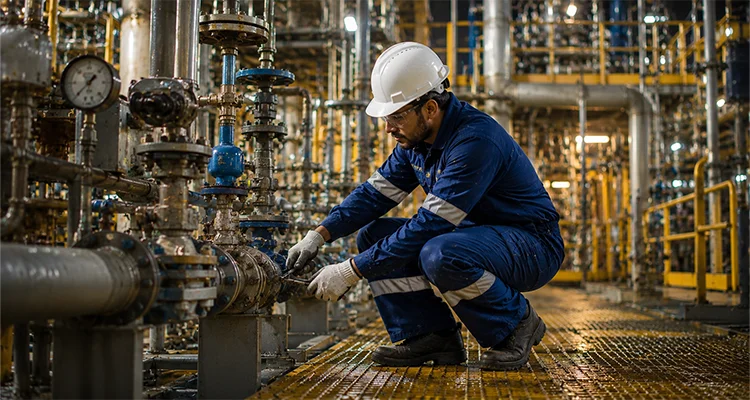
Flash fire risk from hydrocarbon environments makes NFPA 2112-certified FR clothing a baseline requirement on most sites. Workers in drilling, refining, and pipeline maintenance need FR and high-visibility safety apparel that meets combined certification requirements.
2. Electrical and Utilities
Arc flash events are one of the leading causes of electrical worker fatalities globally. ASTM F1506 or IEC 61482-rated arc flash protective clothing is mandatory in most utility and industrial electrical environments governed by NFPA 70E.
3. Mining
Mining environments combine fire risk, molten material exposure, and mechanical hazards. Workers need FR garments that also meet abrasion and durability requirements for extended shift wear in harsh conditions.
4. Steel and Metal Processing
Molten metal splatter and radiant heat make flame resistant clothing critical on the production floor. EN ISO 11612-certified garments with documented heat resistance ratings are standard in most steel plants.
5. Construction and Railway
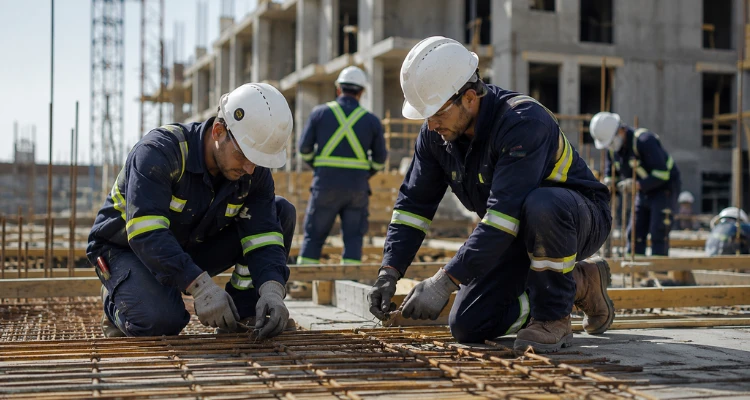
High-visibility requirements combined with FR properties are increasingly specified for workers near electrical infrastructure. Combined EN ISO 20471 and EN ISO 11612 dual-certified garments are the industry standard for these environments.
6. Chemical and Pharmaceutical
Chemical splash and flammable vapour environments require FR garments that meet both flame resistance and appropriate chemical resistance criteria. Procurement teams should specify dual-function garments where multiple hazard types are present.
Looking for certified FR workwear for your industry?
Contact ACI Workwear to explore the full industrial safety clothing range
How Do You Evaluate an FR and Arc Flash Clothing Manufacturer?
Choosing a manufacturer is not simply a cost-per-unit decision. Procurement managers for industrial operations need to assess capability across five key dimensions.
1. Certification Portfolio
Does the manufacturer hold current, third-party verified certifications? Request the original test certificates. Do not accept manufacturer self-declarations as a substitute for independent testing documentation.
2. Fabric and Construction Quality
Leading industrial workwear manufacturers use inherently FR fabrics such as Nomex, Kermel, or modacrylics, or durable FR-treated fabrics with documented wash-durability performance data. Ask for ATPV ratings and maximum wash-cycle recommendations.
3. Range Completeness
Your supplier should cover the full workwear range: coveralls, jackets, trousers, shirts, hi-vis vests, winter liners, and cold storage and freezer workwear. Fragmented supply chains across multiple vendors increase compliance risk.
4. Export Capability and Lead Times
Global buyers need industrial uniform exporters with documented international supply chains, export compliance, and reliable production lead times. Verify manufacturing capacity and customs documentation capability before committing.
5. Customization and Compliance Support
Large site operators often need garments with company branding, specific reflective tape placement, or compliance markings. A credible flame-resistant clothing manufacturer delivers this without compromising the certification integrity of the garment.
ACI Workwear, a certified industrial workwear manufacturer and global exporter based in India, serves buyers across Oil and Gas, Mining, Construction, Steel, Chemical, and Railway sectors with a full certified FR and arc flash clothing range built to international standards.
What Are the Key Differences Between FR and Arc Flash Ratings?
Procurement teams often need to distinguish between FR and arc flash specifications when sourcing garments for mixed-hazard environments. This comparison table clarifies the key distinctions.
| Feature | FR Clothing | Arc Flash Clothing |
| Primary hazard | Flash fire, combustion, chemical | Electrical arc flash blast and heat |
| Key standard | NFPA 2112, EN ISO 11612 | NFPA 70E, ASTM F1506, IEC 61482 |
| Performance metric | Char length, after flame, drip | ATPV rating (cal/cm2) |
| Fabric type | Inherent or treated FR fabrics | Arc-rated FR fabrics |
| Can be dual rated? | Yes, many garments cover both | Yes, dual-rated garments are widely available |
| Industry application | Oil, Gas, Chemical, Steel, Mining | Electrical, Utilities, Industrial |
When specifying for environments with both flash fire and arc flash risk, always select dual-rated garments certified to both NFPA 2112 and ASTM F1506. This is the standard specification in refineries, chemical plants, and heavy electrical manufacturing facilities.
What Does a Practical FR Clothing Inspection Checklist Look Like?
Site safety managers should inspect FR and arc flash garments before deployment and at regular intervals during use. Degradation from repeated washing, contamination, and UV exposure can compromise protective properties before visible damage appears.
Pre-Deployment Inspection:
- Verify that the garment certification label matches the site’s specified standard (NFPA 2112, ASTM F1506, etc.)
- Confirm the ATPV or HRC rating meets or exceeds your site’s hazard risk assessment minimum
- Check for visible damage: tears, fraying at seams, missing or degraded reflective strips
- Confirm no modifications have been made to the garment that could void certification
- Check fit: poorly fitted FR garments reduce protective performance for the wearer
Ongoing Wear and Wash Inspection:
- Track wash cycle count against the manufacturer’s stated wash durability limit
- Inspect for fading, thinning, or pilling that may signal fabric degradation
- Confirm no oil, grease, or flammable contamination is present on the garment surface
- Check zips, closures, and fastenings are fully functional and undamaged
- Replace any garment that fails any of the above criteria immediately
FR clothing that looks serviceable is not always compliant. Build formal inspection cycles into your site safety management system and document every garment replacement.
What Sustainable Options Are Available in FR Workwear in 2026?
Sustainable industrial workwear solutions are increasingly specified by multinational buyers with ESG procurement criteria and carbon reporting obligations.
Leading flame-resistant clothing manufacturers in 2026 are addressing sustainability across several dimensions:
- Inherently FR fibres that require no chemical treatment and retain protective properties across the garment’s full lifecycle
- Recycled polyester blends with FR treatment certified to OEKO-TEX Standard 100 for environmental safety
- Extended wear-life design that reduces garment replacement frequency and total material consumption
- Packaging and logistics practices aligned with ISO 14001 environmental management standards
Sustainability in FR workwear is not just ethical procurement. Longer-lasting garments with verifiable environmental credentials also reduce total lifecycle cost for large industrial buyers operating at scale.
Request a product catalogue and sustainability documentation from ACI Workwear’s export team
Why Choose ACI Workwear as Your FR Clothing Manufacturer?
ACI Workwear is a certified industrial workwear manufacturer and global exporter with deep expertise in flame resistant and arc flash protective clothing for high-risk industries.
- Multi-standard certified: NFPA 2112, ASTM F1506, IEC 61482, EN ISO 11612, and EN ISO 20471 compliant garments across the full product range
- Full range capability: coveralls, jackets, hi-vis vests, trousers, shirts, winter liners, and cold storage workwear under one roof
- Global export ready: established supply chains serving buyers in the Middle East, Africa, South Asia, and beyond with full export documentation
- Custom branding and compliance markings available without voiding certification integrity
- Sustainable FR options available, including OEKO-TEX Standard 100 certified fabrics, for ESG-conscious procurement teams
- Dedicated B2B support: technical documentation, certification copies, and compliance guidance provided on request
Industrial buyers across Mining, Oil and Gas, Construction, Chemical, Steel, Railway, and Electrical sectors trust ACI Workwear to deliver garments that protect workers and pass site audits, every time.
Conclusion
FR and arc flash resistant clothing is one of the most critical PPE decisions a safety manager or procurement team makes. The standards are clear, the risks are real, and the consequences of non-compliance go far beyond a failed audit.
In 2026, the best industrial workwear manufacturers are those who combine multi-standard certification, full-range product capability, reliable international export, and genuine compliance support. Price matters, but it should never come at the cost of protection.
ACI Workwear delivers all of this as a trusted flame-resistant clothing manufacturer, certified safety clothing exporter, and supplier of high-visibility safety apparel to industrial buyers worldwide.
Frequently Asked Questions
1. What is the difference between FR and Arc Flash clothing?
FR clothing protects against flash fires and combustion. Arc flash clothing is rated for the energy released in electrical arc flash events, measured in cal/cm2 (ATPV). Many certified garments are dual-rated for both hazards and are the standard specification in mixed-risk environments.
2. Which certification should I require from a flame-resistant clothing manufacturer?
Require NFPA 2112 for flash fire protection, ASTM F1506 or IEC 61482 for arc flash protection, and EN ISO 11612 for sites operating under European safety standards. Always ask for third-party test certificates rather than manufacturer self-declarations.
3. How long does FR clothing remain effective?
FR fabric lifespan depends on fabric type, wash frequency, and storage conditions. Inherently FR fabrics retain protective properties longer than chemically treated fabrics. Replace any garment that has exceeded the manufacturer’s maximum wash cycle rating or shows physical degradation.
4. What ATPV rating do I need for my site?
ATPV requirements are determined by your site’s arc flash hazard risk assessment. NFPA 70E defines Hazard Risk Categories (HRC 1 to 4). Your electrical safety engineer or site safety manager should specify the minimum ATPV rating based on the incident energy level at each task location.
5. Can FR and Arc Flash clothing be washed with regular laundry?
FR garments should be washed according to the manufacturer’s care label instructions. Avoid fabric softeners, bleach, and starch, as these can degrade flame resistant properties. Use pH-neutral detergents and wash FR garments separately from non-FR items.
6. Does ACI Workwear export FR clothing internationally?
Yes. ACI Workwear is a certified industrial uniform exporter supplying flame resistant clothing and arc flash protective garments to buyers across the Middle East, Africa, South Asia, and other global markets with full export documentation.
7. Is high-visibility safety apparel available in FR-rated versions?
Yes. Combined FR and high-visibility garments are widely available and specified for Construction, Railway, and Road infrastructure environments. EN ISO 20471 and EN ISO 11612 dual-certified garments are the standard specification where both visibility and flame resistance are required.
Read More: