

Flame-Resistant Workwear for the Oil & Gas Industry in Saudi Arabia
18/11/2025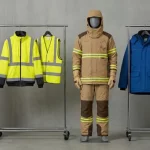
How to Choose the Right Workwear Supplier in Germany?
15/12/2025
In high-risk industries like manufacturing, utilities, and oil & gas, electrical hazards represent one of the most severe and unpredictable dangers. Workers are not only exposed to the risk of electric shock but also to the tragic event known as an arc flash.
An arc flash is an electrical explosion that releases blinding light, intense heat, and a powerful pressure wave in minor fractions of a second. For electricians, engineers, and industrial technicians, Arc Flash Clothing by ACI Workwear serves as the most critical line of defense.
This specialized Arc Flash PPE (Personal Protective Equipment) is not just a uniform; it is an engineered shield designed to protect against life-altering injuries. Understanding how this gear works is essential for ensuring worker safety and maintaining compliance with strict standards like NFPA 70E, IEC 61482, and OSHA 1910.269.
This article explores the science behind Arc Flash Protection and explains how this essential safety gear saves lives.
Understanding Arc Flash and Its Terrifying Dangers
An arc flash is a sudden, violent electrical discharge that travels through the air between conductors or from a conductor to the ground. It is most often caused by equipment failure, accidental contact with energized parts, or improper maintenance procedures.
When an arc flash occurs, it instantly vaporizes the conducting metal, creating an explosive plasma ball. The dangers are immediate and extreme:
- Intense Heat: Temperatures can soar to 19,000°C (35,000°F)—four times hotter than the surface of the sun. This heat can instantly ignite flammable clothing and cause severe, often fatal, burns.
- Blinding Light: The flash produces an intensely bright ultraviolet (UV) light that can cause permanent eye damage.
- Flying Debris: The explosion propels molten metal, fragmented equipment, and other shrapnel at high speeds, acting like projectiles.
- Pressure Wave: The blast can create a head force strong enough to knock workers off their feet, rupture eardrums, or even collapse lungs.
Given these devastating consequences, conducting a thorough electrical hazard risk assessment is the first step. The second is equipping workers with the appropriate Arc Flash Safety Gear.
What Is Arc Flash Clothing?
Arc Flash Clothing, also known as Arc Rated (AR) Clothing, is advanced Flame-Resistant Workwear specifically designed to protect against the thermal hazards of an arc flash.
Unlike standard work uniforms, which can start and continue to burn or melt onto the skin, arc-rated garments are engineered to resist ignition and self-extinguish. The primary goal of an Arc Flash Suit or coverall is to insulate the wearer from the intense heat, significantly reducing the severity of burns.
These garments are tested and assigned as a protective rating known as an ATPV (Arc Thermal Performance Value) or EBT (Energy Breakopen Threshold). This rating, measured in calories per square centimeter (cal/cm²), indicates the maximum amount of thermal energy the fabric can block before the wearer has a 50% chance of sustaining a second-degree burn.
Common Arc Flash Protective Gear includes:
- Arc-rated shirts, pants, and coveralls
- Arc flash suits (often called “bomb suits”) for high-risk tasks
- FR/AR jackets and parkas
- Insulated gloves
- Protective hoods, face shields, and balaclavas
How Arc Flash Clothing Protects Workers
When an arc flash occurs, a worker has milliseconds to survive. Arc Rated Clothing provides critical protection through several key mechanisms.
1. Superior Thermal Insulation
The primary function of Arc Flash PPE is to provide a thermal barrier. The specialized fabrics are thick and constructed to slow the transfer of extreme heat from the arc to the worker’s skin. This insulation is the difference between a minor, treatable burn and a lifelong injury.
2. Self-Extinguishing Fabric
This is the “Flame-Resistant” (FR) property. When exposed to the intense heat of an arc, the fabric will not ignite and continue to burn. Once the source of the thermal energy (the arc flash) is over, the fabric chemical structure causes it to self-extinguish almost immediately. This prevents clothing from becoming a secondary source of injury.
3. Non-Melting and Non-Dripping Materials
Standard synthetic fibers like polyester or nylon are extremely dangerous in an electrical environment. When exposed to high heat, they melt and drip, fusing to the worker’s skin and causing horrific, deep tissue burns. Arc Flash Clothing is made from non-melting materials (such as aramids or treated cotton blends) that char and carbonize instead. This charring creates an additional layer of non-conductive, protective insulation.
4. Layered Protection
Layering Arc Flash Clothing is a common and effective strategy for increasing electrical hazard protection. While the ratings are not simply additive (e.g., two 8-cal garments do not equal 16 cal), a layered system significantly increases the total thermal resistance. Wearing an arc-rated t-shirt and coverall provides far more protection than a single layer, as the air trapped between the layers acts as an additional insulator.
5. Durability and Protective Consistency
Professionally manufactured Arc Flash Safety Gear is built to last. The protective properties are basic to the fabric or are applied through a process that ensures they remain effective even after repeated industrial laundering. This ensures workers are protected consistently, every single day.
Understanding Arc Ratings: ATPV & EBT
When selecting Arc Flash PPE, the arc rating is the most important factor. This rating is determined by ASTM test methods and will be one of two values:
- ATPV (Arc Thermal Performance Value): This is the most common rating. It represents the maximum incident energy (in cal/cm²) that a fabric can handle before the wearer has a 50% chance of receiving a second-degree burn.
- EBT (Energy Breakopen Threshold): This value is used when the fabric breaks open or tears before the heat transfer is high enough to cause a second-degree burn.
Both ATPV and EBT are reported as an arc rating, and the lower of the two values is always used on the garment label. A higher number means better protection. For example, a garment rated 8 cal/cm² is suitable for many day-to-day tasks (often categorized as CAT 2), while tasks on high-voltage equipment might require a full Arc Flash Suit rated at 40 cal/cm² or higher (CAT 4).
Critical Standards and Compliance
Compliance with Arc Flash Safety Standards is non-negotiable. These standards ensure that garments have been properly tested and are proven to be performed.
- NFPA 70E (Standard for Electrical Safety in the Workplace): This is the cornerstone of electrical safety in the United States. It dictates the arc flash risk assessment process and helps companies determine the NFPA 70E clothing requirements (i.e., the arc rating) needed for specific tasks.
- ASTM F1506 (Standard Performance Specification for Flame Resistant and Arc Rated Textile Materials): This standard defines the testing methods and minimum performance requirements for fabrics used in Arc Rated Clothing.
- IEC 61482-2 (Protective clothing against the thermal hazards of an electric arc): This is the leading international standard, roughly equivalent to ASTM F1506, used widely in Europe and other regions.
- OSHA 1910.269: This US regulation covers the operation and maintenance of electric power generation, control, transmission, and distribution. It mandates that employers provide High-Voltage PPE and Flame-Resistant Workwear to protect workers from electrical hazards.
Key Features to Look for in Arc Flash Clothing
When choosing an Industrial Safety Apparel for electrical work, look beyond the basic rating.
- Correct Arc Rating: The garment’s ATPV must meet or exceed the hazard level identified in your risk assessment.
- Comfort and Breathability: If FR clothing for electricians is heavy, stiff, and hot, workers may be tempted to wear it improperly (e.g., unzipped, sleeves rolled up), which compromises safety. Modern fabrics offer protection with greater comfort and moisture-wicking properties.
- Ergonomic Fit and Mobility: Workers must be able to move freely and perform complex tasks without being restricted by their PPE.
- Durable Construction: Look for reinforced seams, high-quality zippers, and durable fabric that can handle the rigors of an industrial environment.
- Clear Certification Labels: All Arc Rated Clothing must have a label clearly stating its arc rating (ATPV), compliance with ASTM F1506, and care instructions.
The Benefits of Using Arc Flash Clothing
Investing in high-quality Electrical Safety Workwear provides immeasurable returns:
- Prevents life-threatening burns and reduces the severity of injuries.
- Ensures regulatory compliance with OSHA and NFPA 70E, protecting the company from fines and legal liability.
- Builds a strong, safety-focused culture where workers feel valued and protected.
- It protects against secondary hazards like flashfires that may follow an electrical incident.
- Provides peace of mind for both employers and workers, knowing the last line of defense is reliable.
Common Applications for Arc Rated PPE
Arc Flash Protection is essential in any industry where workers are exposed to energized electrical equipment, including:
- Electrical maintenance, testing, and diagnostics
- Power generation, transmission, and distribution (Utilities)
- Oil & Gas (upstream, midstream, and downstream)
- Petrochemical and Chemical plants
- Manufacturing and industrial automation (e.g., working on control panels)
- Renewable energy (solar and wind turbine technicians)
- Industrial and commercial construction sites
Conclusion:
Arc Flash Clothing is an essential, non-negotiable component of any electrical safety program. It is the engineered barrier that stands between a worker and a dangerous, life-altering event.
By insulating against extreme heat, self-extinguishing to prevent further burning, and refusing to melt, this specialized Industrial PPE provides the critical seconds needed to survive an arc flash.
Investing in certified, high-performance Arc Rated PPE is a direct investment in most of your assets: your people. It ensures compliance, reduces liability, and, most importantly, makes sure every worker goes home safely at the end of the day.
Protect your team with certified Arc Flash Clothing designed for maximum safety and comfort. Contact ACI Workwear today to discuss your industrial PPE requirements.
Frequently Asked Questions (FAQs)
1. What is the difference between Flame-Resistant (FR) and Arc Rated (AR) clothing? All Arc Rated (AR) clothing is flame-resistant, but not all Flame-Resistant (FR) clothing is rated arc. “AR” means the garment has been specifically tested (per ASTM F1506) and given an ATPV rating to protect against the unique thermal hazard of an arc flash.
2. How often do I need to replace my arc flash suit? There is no set expiration date. Replace Arc Flash PPE immediately if it is ripped, torn, has holes, or is contaminated with flammable substances. Always follow the manufacturer’s inspection and care instructions.
3. Can I layer arc-rated garments to increase my protection? Yes, layering AR garments increases overall protection, though the ratings don’t simply add together. Never wear non-FR or melting fabrics (like polyester) underneath your AR clothing, as this is extremely dangerous.
4. What are the Arc Flash PPE Categories (CAT)? These are four hazard levels (CAT 1-4) defined by NFPA 70E. Each category requires a specific minimum arc rating (ATPV) to protect against a calculated level of arc flash energy. For example, CAT 2 requires a minimum of 8 cal/cm².
5. Is 100% cotton clothing safe for electrical work? No. Standard cotton clothing is flammable; it will ignite and continue to burn when exposed to an arc flash. Only specially treated FR cotton or inherently flame-resistant fabrics are safe and compliant for this work.