

How to Choose the Right Workwear Supplier in Germany?
15/12/2025
How to Wash & Maintain FR Clothing: 7 Mistakes That Compromise Protection
20/01/2026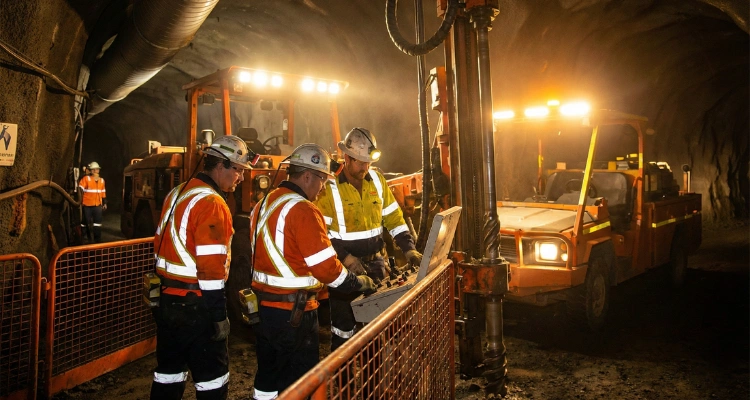
Introduction
The single most overlooked safety solution? High-visibility clothing.
At ACI Workwear, we have spent decades serving the mining, construction, oil & gas, railway, and industrial sectors. We have seen firsthand how the right safety workwear—especially reflective, high-visibility apparel—transforms workplace safety cultures and saves lives.
This guide breaks down the 5 key benefits of High-Visibility clothing and reveals how it reduces accidents, protects your workforce, and strengthens your bottom line.
The 5 Key Benefits of High-Visibility Clothing on Worksites
1. Increased Worker Visibility in Low-Light Conditions
What makes High-Visibility clothing the gold standard for visibility?
High-visibility safety apparel uses a combination of fluorescent colors (lime-yellow, orange, or pink) and retroreflective strips that bounce light directly back to its source. When vehicle headlights, spotlights, or machinery lights hit these surfaces, the wearer becomes instantly visible.
Here’s the impact: Workers wearing High-Visibility clothing are 10 times more likely to be seen by equipment operators and vehicle drivers compared to those in standard workwear.
Why does this matter in specific industries?
- Mining operations: Underground and surface mining sites operate 24/7, often in low-light tunnels and at night. A reflective safety vest with bright tape ensures equipment operators spot workers before accidents occur.
- Railway work: Track workers operating near moving trains need maximum visibility. Railway industry standards (like ANSI/ISEA 107-2015 in the US) mandate high-visibility safety apparel for workers near active tracks.
- Oil & gas facilities: Nighttime operations, indoor refineries, and offshore platforms create visibility challenges. Arc flash protective clothing combined with High-Visibility elements protects workers on multiple fronts.
- Construction sites: Heavy machinery, crane operations, and vehicle traffic make visibility critical. Even a moment of invisibility can be fatal.
According to the National Institute for Occupational Safety and Health (NIOSH), visibility-related accidents account for approximately 40% of construction fatalities. High-Visibility clothing directly addresses this leading cause of death.
Retroreflective materials work by using microscopic glass beads or prisms embedded in fabric. When light hits these surfaces, it refracts and reflects backward at nearly the same angle it arrived at—making the wearer visible from up to 1,000 feet away.
2. Compliance With Regulatory Standards and Industry Requirements
Does your team meet OSHA, ANSI, and industry-specific safety standards?
Regulatory non-compliance isn’t just a legal issue it’s a financial and operational liability.
OSHA regulations, ANSI/ISEA standards, and industry-specific guidelines mandate high-visibility clothing in hazardous environments. Failing to meet these standards can result in:
- OSHA fines: Up to $10,145 per violation
- Criminal liability for companies with a pattern of non-compliance
- Increased workers’ compensation insurance premiums
- Project shutdowns and contract cancellations
- Reputational damage among clients and investors
What are the key compliance standards?
|
Standard |
Industry Coverage |
Key Requirements |
|
OSHA 1915/1926 |
All industries |
Requires high visibility in roadway work and near vehicle traffic |
|
ANSI/ISEA 107-2015 |
Construction, Mining, Transportation |
Three High-Visibility classifications (Type O, Type P, Type R) based on hazard level |
|
EN 471 (EU Standard) |
International/EU operations |
Fluorescent colors + retroreflective strips for nighttime visibility |
|
CSA Z96-15 |
Canada |
Canadian safety standard for high-visibility apparel |
|
AS/NZS 1906.4 |
Australia/NZ |
Pacific region safety requirements |
|
Railway Industry Standards |
Rail transportation |
Enhanced High-Visibility requirements for trackside workers |
As an industrial workwear manufacturer, ACI Workwear ensures all high-visibility safety apparel meets these standards, reducing compliance risk and eliminating procurement headaches.
Real-World Cost Example:
A construction firm was fined $47,000 for OSHA violations related to inadequate High-Visibility clothing on a highway project. The cost of proper high-visibility safety apparel? $8,000 for the entire team.
Compliance isn’t optional—it’s insurance against catastrophic costs.
3. Reduced Vehicle-Related and Equipment Incidents (The #1 Preventable Accident Type)
Why are vehicle-struck-by incidents the leading cause of jobsite deaths?
In construction alone, being struck by a vehicle or equipment accounts for approximately 20% of all worker fatalities. In mining, this number is even higher.
The primary cause? The worker wasn’t seen.
When heavy machinery operators, forklift drivers, or delivery truck operators can’t see a worker in their blind spot, tragic collisions happen in seconds. High-Visibility clothing eliminates this risk.
How High-Visibility clothing prevents struck-by incidents:
- Extends the visible distance: An operator can spot a High-Visibility-wearing worker 300+ feet away (or more in daylight). They have precious seconds to break or avoid collision.
- Compensates for blind spots: Forklifts, excavators, and dump trucks have massive blind spots. High-Visibility clothing makes workers visible even when they’re outside the operator’s direct line of sight.
- Works in all weather conditions: Rain, fog, snow, and dust don’t reduce the effectiveness of retroreflective materials. They continue to work when their visibility is worse.
- Improves recognition at dusk/dawn: The transition periods (early morning and late afternoon) account for a disproportionate number of visibility-related accidents. High-Visibility apparel shines during these critical hours.
Industry-Specific Application:
- Mining: Underground haulage trucks traveling at high speeds need to see personnel. A reflective safety vest ensures visibility in dark tunnels.
- Oil & Gas: Mobile equipment moves constantly across facilities. High-Visibility clothing combined with arc flash protective clothing protects workers from multiple hazards.
- Chemical Industry: Facility-wide equipment movement requires maximum visibility. Custom factory uniforms with High-Visibility elements are essential.
- Steel Manufacturing: Extremely hazardous environment with heavy machinery. Certified safety clothing exporters recommend full High-Visibility workwear systems.
According to the Occupational Safety and Health Administration (OSHA), 85% of struck-by incidents are preventable through proper safety protocols, including high-visibility apparel.
4. Enhanced Worker Confidence and Safety Culture Adoption
Does your safety program actually reduce risky behavior?
Here’s a psychological truth: When workers see their colleagues wearing safety equipment, they’re more likely to wear it too. When everyone on a worksite wears high-visibility clothing, a powerful safety culture emerges.
How does High-Visibility clothing strengthen safety culture?
- Creates visual accountability: High-Visibility is impossible to ignore. It broadcasts that safety is non-negotiable here. Workers who wear it become safety ambassadors.
- Reduces peer pressure to cut corners: When High-Visibility is the norm, taking it off becomes socially unacceptable. Workers no longer feel pressured to remove safety gear for comfort.
- Improves near-miss reporting: Workplaces with strong visual safety cultures see higher near-miss reporting—a leading indicator of safety maturity.
- Increases equipment compliance: Workers who wear High-Visibility are 3x more likely to use other safety equipment (hard hats, harnesses, eye protection).
- Reduces “safety shortcuts”: The consistent visibility of safety gear reminds workers that hazards exist and accidents are possible.
Real-World Case Study:
A mid-sized construction firm implemented a mandatory high-visibility safety apparel program across all divisions. Within 12 months:
- Lost-time injuries decreased by 34%
- Near-miss reports increased by 67% (indicating better hazard recognition)
- Workers’ compensation premiums dropped by $156,000 annually
- Client satisfaction scores increased (clients felt safer around the operation)
The investment in proper workwear—including High-Visibility clothing and other protective apparel—paid for itself in under 6 months.
Why Safety Culture Matters:
Companies with strong safety cultures outperform competitors in profitability, productivity, and talent retention. High-Visibility clothing is one of the most cost-effective culture-building tools available.
5. Lower Insurance Costs, Reduced Liability, and Better Project Outcomes
What’s the ROI of investing in proper high-visibility workwear?
When you reduce accident rates, insurance companies take notice—and reward you with lower premiums.
The Financial Impact:
- Average workers’ compensation claim: $42,000 (direct costs only)
- Average cost per worksite accident: $1,000–$45,000+ (including indirect costs like lost productivity, legal fees, and reputation damage)
- Cost of proper High-Visibility clothing system: $150–$400 per worker annually
Preventing even one accident pays for High-Visibility clothing for your entire workforce.
Additional financial benefits:
- Reduced insurance premiums: Companies with strong safety records receive 10–25% discounts on workers’ compensation insurance.
- Avoided legal liability: When an injury occurs and the company can prove it provided compliant safety equipment, liability exposure is significantly reduced.
- Project eligibility and contracts: Major clients (especially in mining, oil & gas, and construction) require vendors to meet specific safety standards. High-Visibility compliance is often a prerequisite for contract awards.
- Increased project scheduling: Fewer accidents mean fewer workdays lost to injury investigations, worker replacement, and operational shutdowns.
- Enhanced reputation: Companies known for safety attract top talent, win more bids, and build long-term client relationships.
Real Financial Example:
A railway maintenance company equipped 200 workers with proper high-visibility safety apparel and FR (flame-resistant) workwear. Annual investment: $80,000
Results in Year 1:
- Zero struck-by incidents (previously 2–3 annually)
- Insurance premium reduction: $45,000
- Avoided accident costs: $150,000+ (estimated)
- Net ROI: $195,000+
- Payback period: Less than 5 months
Workwear Solutions for Every Industry: ACI Workwear’s Comprehensive Offering
What types of High-Visibility clothing should your operation invest in?
The answer depends on your specific hazards. ACI Workwear specializes in custom solutions for every major industry, including:
High-Visibility Safety Apparel
- Reflective safety vests and jackets
- High-Visibility shirts, pants, and full-body ensembles
- Customizable designs for branding and industry-specific requirements
Arc Flash Protective Clothing (for Oil & Gas and Electrical)
For workers exposed to electrical hazards, arc flash protective clothing provides dual protection: visibility and thermal protection from electrical arcs. Critical in oil & gas refining and electrical utility work.
FR & Arc Resistant Clothing
Flame-retardant (FR) coveralls protect against flash fires and thermal hazards in chemical plants, steel mills, and oil & gas operations. When combined with High-Visibility elements, they address multiple hazards simultaneously.
Cold Protective/Freezer Workwear
In cold storage, mining, and northern construction, cold-protective clothing with High-Visibility strips ensure workers stay visible and protected from hypothermia and frostbite.
Custom Factory Uniforms with Safety Integration
Brands can maintain corporate identity while meeting safety standards. Custom uniforms incorporate High-Visibility elements, company logos, and industry-specific certifications.
Sustainable Industrial Workwear Solutions
Modern workwear manufacturers increasingly offer eco-friendly options—durable, long-lasting apparel that reduces replacement frequency and environmental impact.
High-Visibility Standards by Industry and Application
|
Industry |
Hazard Level |
Recommended High-Visibility Type |
Additional Clothing Needs |
Visibility Range |
|
Construction |
High |
Type P (Road work) or Type R (nighttime) |
Hard hat, safety boots |
500–1,000 ft |
|
Mining (Surface) |
Extreme |
Type R + reflective tape |
Helmet, FR clothing, boots |
1,000+ ft |
|
Mining (Underground) |
Extreme |
Type R + cap lights |
Flame-resistant clothing, cap lamp |
300 ft (with lamp) |
|
Railway |
Extreme |
Type R + Type O |
FR clothing, steel-toe boots, audible alarms |
1,000+ ft |
|
Oil & Gas |
Extreme |
Type R + Arc Flash rated |
Arc flash protective clothing, flame-resistant |
500–1,000 ft |
|
Chemical Plant |
High |
Type P + FR rated |
Flame-resistant coveralls, gloves, boots |
500 ft |
|
Steel Mill |
Extreme |
Type R + FR rated |
Aluminized proximity suits, FR clothing |
300–500 ft |
|
Electrical Utility |
High |
Type R (nighttime work) |
Arc flash protective clothing |
500+ ft |
|
Agriculture |
Medium |
Type O or Type P |
Weather-protective outerwear |
300 ft |
Conclusion: Invest in High-Visibility Clothing, Invest in Human Safety
Every worker deserves to go home safely at the end of their shift. High-visibility clothing is one of the simplest, most cost-effective tools to make that happen. The evidence is clear: High-Visibility apparel reduces accidents by 40%+, prevents struck-by incidents, ensures regulatory compliance, and delivers measurable ROI through lower insurance premiums and avoided costs.
A single serious accident costs $40,000 to $100,000+, yet a comprehensive High-Visibility program costs just a few hundred dollars per worker annually. Math is undeniable. Your next step is simple: audit your current High-Visibility program. Are all workers wearing compliant, properly maintained high-visibility apparel? Do your garments meet ANSI/ISEA 107 and OSHA standards? Identify the gaps and address them immediately.
If you need guidance, ACI Workwear is here to help. As a leading industrial workwear manufacturer serving mining, construction, oil & gas, railway, and steel operations, we provide free safety audits, recommend compliant solutions, and supply certified High-Visibility apparel, arc flash protective clothing, FR coveralls, and custom workwear tailored to your industry.
Schedule a consultation and let’s build a safety program that protects your workforce and strengthens your bottom line.
Frequently Asked Questions (FAQs)
1. What’s the difference between reflective and fluorescent High-Visibility clothing?
Fluorescent materials are bright and highly visible in daylight, while reflective strips bounce light back at night. The most effective High-Visibility clothing combines both for maximum visibility 24/7.
2. Do I need to replace High-Visibility clothing regularly?
Yes. Reflective strips lose effectiveness every 6–12 months due to washing, UV exposure, and wear. Regular replacement ensures consistent protection and maintains compliance standards.
3. Can High-Visibility clothing be combined with other protective gear like FR or arc flash protection?
Absolutely. Modern workwear integrates multiple protective features—arc flash rated, flame-resistant, and cold-protective apparel can all include High-Visibility elements, eliminating the need for workers to change between tasks.
4. What’s the difference between Type O, Type P, and Type R High-Visibility clothing?
Type O is for low-hazard daytime work, Type P is for road work and moderate hazards, and Type R is for high-hazard nighttime work like mining and railways. Your hazards determine which type you need.
5. How do I ensure my team wears High-Visibility clothing?
Make it mandatory with zero exceptions, provide properly fitted and comfortable apparel, enforce consistently, and recognize teams with perfect compliance. Safety culture requires leadership enforcement.
6. Are High-Visibility clothing and safety equipment alone enough to prevent accidents?
No. High-Visibility is one layer of protection within a comprehensive safety program that includes training, hazard assessment, equipment maintenance, and strong safety culture. It’s most effective when combined with other controls.
7. Does High-Visibility clothing meet international safety standards?
Quality High-Visibility apparel meets ANSI/ISEA 107 (US), EN 471 (EU), CSA Z96-15 (Canada), and AS/NZS 1906.4 (Australia/NZ). Certified safety clothing exporters like ACI Workwear ensure compliance across all regions.
8. What’s the ROI of investing in proper High-Visibility workwear?
Companies see ROI within 6 months through reduced accidents, lower insurance premiums (10–25% discounts), avoided liability costs, and improved project eligibility. Prevention is always cheaper than accident recovery.