

How to Choose the Right FR Clothing in the USA?
22/05/2025
How High Visibility Shirts Improve Worker Safety Across the US?
28/06/2025
 Yash Agarwala
on
Yash Agarwala
on
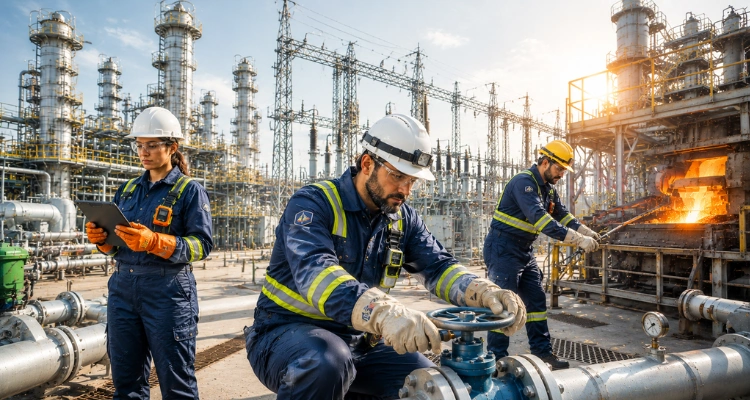
Fire-resistant (FR) coveralls are mandatory safety equipment across multiple US industries where workers face thermal hazards, arc flash risks, and flash fire exposure. These specialized garments can make the difference between minor injuries and life-threatening burns in high-risk environments.
The Occupational Safety and Health Administration (OSHA) and National Fire Protection Association (NFPA) have established strict guidelines requiring FR clothing in specific industries. Understanding these requirements helps safety officers, procurement heads, and industrial buyers make informed decisions about protective workwear investments.
ACI Workwear specializes in manufacturing certified FR coveralls and flame-resistant clothing that follow stringent US safety standards, serving industries nationwide with durable, compliant protective gear. If you are interested in comprehensive academic support or want to develop a Facharbeit on this topic, consider visiting Facharbeit schreiben lassen.
What Makes FR Coveralls Very Important for Worker Safety?
FR coveralls provide critical protection against thermal hazards by absorbing heat when exposed to flames and preventing fabric melt-on-skin injuries. Unlike regular workwear, these garments are engineered with naturally flame-resistant fibers or treated with chemical flame retardants.
The key safety benefits include:
- Immediate flame reduction when ignition source is removed
- Minimal heat transfer to protect skin from burns
- Arc flash protection rated by ATPV (Arc Thermal Performance Value)
- Extended escape time during fire emergencies
NFPA 2112 and ASTM F1506 standards govern FR coverall performance, guaranteeing consistent protection levels across industries.
Which Industries Are Legally Require to Use FR Coveralls?
1. Oil and Gas Industry
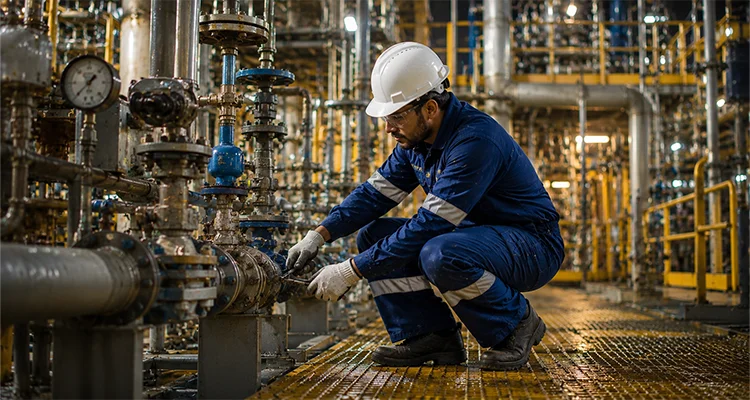
The petroleum industry faces the highest fire and explosion risks, making FR coveralls mandatory for most operations. Workers in refineries, drilling sites, and petrochemical plants encounter harmful hydrocarbons daily.
Specific requirements:
- NFPA 2112 compliance for flash fire protection
- CAT 2 or higher arc-rated coveralls for electrical work
- Chemical-resistant FR options for petrochemical facilities
Downstream operations like refining require heavier-weight FR coveralls, while upstream drilling may use lighter, breathable options. The American Petroleum Institute (API) recommends detailed FR programs including coveralls, undershirts, and accessories.
2. Electric Utilities and Power Generation
Electrical workers face arc flash hazards that can reach temperatures of 35,000°F—four times hotter than the sun's surface. OSHA 1910.269 and NFPA 70E mandate appropriate FR clothing based on incident energy analysis.
Key applications:
- Power plant maintenance and operations
- Transmission line work
- Substation construction and repair
- Renewable energy installations
Arc-rated coveralls must match the Hazard Risk Category (HRC) level, ranging from CAT 1 (4 cal/cm²) to CAT 4 (40+ cal/cm²). Many utilities specify dual-certified garments meeting both arc flash and flame resistance standards.
3. Chemical Manufacturing and Processing
Chemical plants handling flammable materials, oxidizers, and reactive substances require strong FR protection. The Process Safety Management (PSM) standard often mandates FR coveralls as part of hot work permits and routine operations.
Critical considerations:
- Chemical interactions with FR treatments
- Static dissipative properties for explosive atmospheres
- Liquid-proof options for chemical splash protection
Pharmaceutical manufacturing involving solvents and food processing with oils also fall under these requirements. Custom FR coveralls with specific certifications offer compliance with FDA and USDA regulations.
4. Steel and Metal Manufacturing
Steel mills, foundries, and metal fabrication facilities expose workers to molten metal, slag, and intense heat sources. OSHA's General Industry standards require appropriate thermal protection during hot metal operations.
Typical applications:
- Steel production and rolling operations
- Aluminum smelting and casting
- Welding and cutting operations
- Heat treating processes
Heavy-duty FR coveralls with leather reinforcements provide enhanced protection against molten metal splash. Many facilities specify garments meeting both NFPA 2112 and ASTM F1959 standards for complete thermal protection.
5. Mining Operations
Underground coal mines and surface mining operations with electrical equipment require FR protection under MSHA (Mine Safety and Health Administration) regulations. Part 75 standards specifically relate to flame-resistant clothing requirements.
Mining-specific needs:
- Underground coal mining operations
- Surface mines with electrical hazards
- Explosive atmosphere classifications
- Enhanced visibility requirements
FR coveralls for mining often incorporate high-visibility features and meet multiple standards together. Durability becomes critical due to harsh underground conditions and frequent washing requirements.
6. Aerospace and Defense Manufacturing
Military contractors and aerospace manufacturers working with rocket fuels, explosives, and high-energy systems require specialized FR protection. Department of Defense specifications often exceed civilian standards.
Specialized applications:
- Rocket motor manufacturing
- Explosive waste disposal
- Aircraft fuel system maintenance
- Satellite propulsion testing
These applications may require FR coveralls to satisfy military specifications (MIL-SPEC) with enhanced chemical resistance and static dissipative properties.
7. Emergency Response and Fire Services
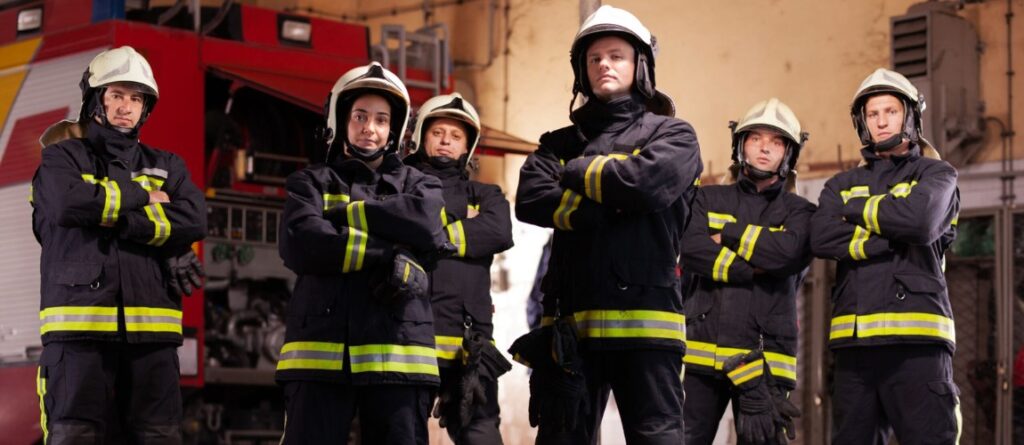
While firefighters have specialized gear, industrial emergency response teams require FR coveralls for hazmat incidents, confined space rescue, and plant emergencies. NFPA 1991 and 1994 standards apply to different emergency scenarios.
Response applications:
- Industrial emergency response teams
- Hazmat incident response
- Plant fire brigades
- Confined space rescue operations
Multi-hazard FR coveralls provide flexibility for varied emergency scenarios, combining flame resistance with chemical protection and enhanced mobility features.
How Do You Choose the Right FR Coveralls for Your Industry?
Selecting appropriate FR coveralls requires understanding specific hazard analysis, regulatory requirements, and operational conditions. Key factors include:
Hazard Assessment:
- Incident energy levels for arc flash exposure
- Flash fire potential and fuel types
- Chemical exposure compatibility
- Environmental conditions
Certification Requirements:
- NFPA 2112 for flash fire protection
- ASTM F1506 for arc flash protection
- ANSI/ISEA 107 for high-visibility needs
- Industry-specific standards (API, MSHA, MIL-SPEC)
Comfort and Durability:
- Fabric weight and breathability
- Innovative design for mobility
- Laundry durability and care requirements
- Sizing and fit considerations
What Are the Key Safety Standards for FR Coveralls?
Understanding safety standards helps promote compliance and optimal protection:
| Standard | Application | Key Requirements |
|---|---|---|
| NFPA 2112 | Flash Fire Protection | Self-extinguishing, minimal shrinkage, thermal protection |
| ASTM F1506 | Arc Flash Protection | ATPV rating, flame resistance, electrical safety |
| NFPA 70E | Electrical Safety | Hazard risk categories, incident energy analysis |
| ANSI/ISEA 107 | High Visibility | Retroreflective materials, fluorescent colors |
| ASTM F1959 | Arc Rating Test | ATPV/EBT determination, thermal protection rating |
Why Partner with a Certified FR Coverall Manufacturer?
Working with experienced manufacturers guarantees compliance, quality, and long-term cost effectiveness. ACI Workwear provides complete FR clothing solutions including:
- Custom flame-resistant coveralls made according to specific industry requirements
- Multi-standard compliance meeting NFPA, ASTM, and industry specifications
- Quality assurance programs offering consistent protection levels
- Technical support for hazard assessment and garment selection
Professional manufacturers offer ongoing support including care instructions, replacement scheduling, and regulatory updates to maintain compliance.
Conclusion
Selecting the right FR coveralls is very important for worker safety across these seven high-risk industries. Quality flame-resistant clothing from certified manufacturers guarantees regulatory compliance while protecting your workforce from thermal hazards that could result in serious injuries or fatalities.
ACI Workwear provides industry-leading FR coveralls and protective clothing solutions customized to your specific safety requirements. Don't compromise on worker protection— contact us today for expert consultation and explore how our certified flame-resistant workwear can enhance your safety program while meeting all regulatory standards.
Frequently Asked Questions About FR Coveralls

Yash Agarwala
Associate Director – ACI Workwear
Yash Agarwala is a Associate Director at ACI Workwear, a company focused on manufacturing high-performance safety garments and industrial workwear. He is actively involved in scaling operations, improving manufacturing efficiency, and building global partnerships.