

How to Choose the Right Industrial Workwear for Steel Industry: A Comprehensive Guide
21/08/2025
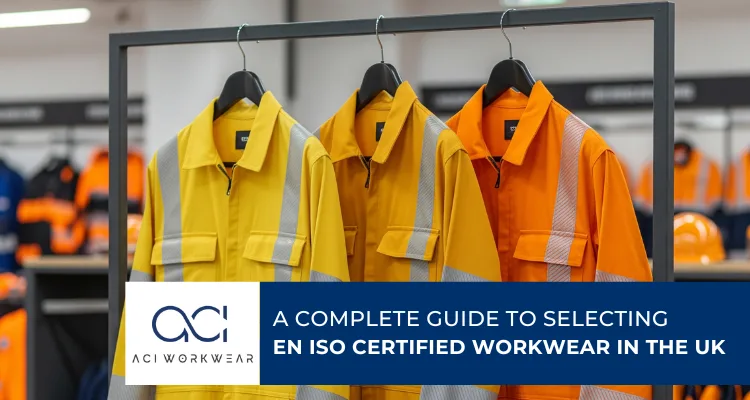
A complete guide to selecting EN ISO Workwear In UK
17/09/2025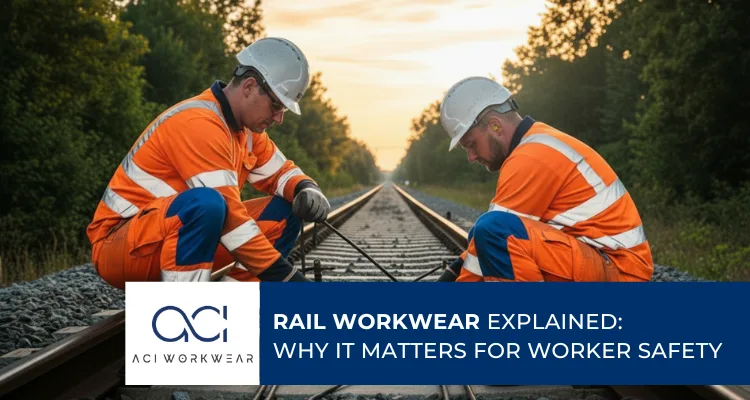
Introduction
The railway industry is a high-risk environment where the margin for error is zero. Amidst the immense power of moving trains, high-voltage lines, and heavy machinery, worker safety is paramount. The first and most critical line of defence is not a tool or a procedure, but the specialised rail workwear engineered to protect lives. This gear is a carefully balanced system where compliance, safety, and comfort are equally vital components of a successful safety programme.
Specialised protective clothing for railway workers ensures visibility, compliance, and comfort while meeting railway safety standards. Let’s break down why railway worker safety gear is essential, what it includes, and how to choose and maintain it for maximum protection.
What is Rail Workwear?
Rail workwear is a category of advanced Personal Protective Equipment (PPE) specifically designed and manufactured to meet the rigorous safety demands of the railway environment.
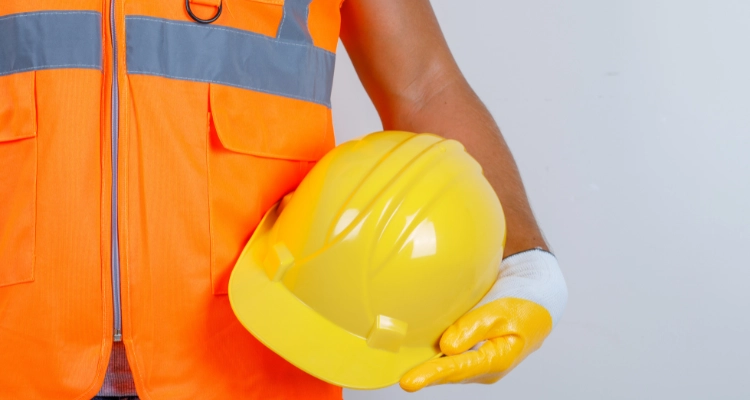
It goes far beyond standard uniforms to provide multi-faceted protection. While its most recognisable feature is high-visibility (Hi-Vis) colouring, true railway worker safety gear incorporates a range of engineered features.
Key components include:
-
- High-Visibility (Hi-Vis) Fabrics:
Specifically, coloured fluorescent orange to provide maximum contrast against trackside backgrounds.
-
- Flame-Resistant (FR) Materials:
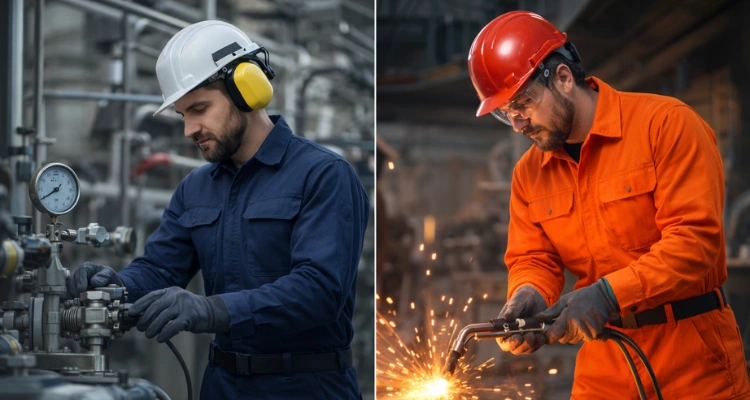
Crucial for workers near electrical hazards or performing tasks that create sparks.
-
- Weather-Resistant Layers:
Waterproof, windproof, and breathable gear to protect workers from environmental exposure.
-
- Reinforced and Durable Construction:
Garments built to withstand the abrasion and physical stress of demanding industrial work.
Most importantly, rail workwear must comply with standards and regulations such as:
- EN ISO 20471 (Hi-Vis)
- RIS-3279-TOM (UK rail-specific)
- EN ISO 11612/14116 (FR clothing)
Why Rail Workwear Matters in United Kingdom?
High Visibility for Accident Prevention: The primary function is to make workers instantly detectable to train operators and vehicle drivers from great distances, drastically reducing the risk of impact accidents.
Protection from Harsh Weather: Workers exposed to rain, wind, or extreme temperatures can suffer from fatigue and distraction. Weather-resistant gear keeps them dry, comfortable, and focused on safety.
Flame & Arc Resistance: For electrical and signal engineers, FR rail workwear provides critical seconds of protection against thermal hazards from an arc flash, minimising severe burn injuries.
Injury Reduction from Impact/Trips: Durable fabrics, reinforced knees, and properly fitted garments reduce minor injuries from scrapes and abrasions, while appropriate footwear minimises slips, trips, and falls.
Regulatory Compliance: Adhering to mandated railway safety standards is not optional. Proper workwear ensures legal compliance, protecting the organisation from fines and liability while fostering a culture of safety.
How Rail Workwear Enhances Safety?
- Enhances visibility day and night with reflective rail safety jackets.
- Shields from environmental hazards like UV rays, wind, and water.
- Minimises burn risks with flame-resistant rail clothing.
- Improves ergonomics with lightweight, flexible designs that reduce fatigue.
- Provides full PPE integration with helmets, gloves, and footwear.
Industry-Specific Benefits of UK Railway Workwear
Different roles on the railway face different daily risks. A comprehensive rail workwear programme addresses these unique needs with tailored solutions.
- Railway construction workers: Hi-Vis and FR workwear against sparks, heavy machinery, and moving trains.
- Maintenance crews: Weatherproof gear keeps workers safe in rain, tunnels, or snow.
- Track inspectors: Durable footwear and visibility gear prevent accidents on active tracks.
- Electrical & signal engineers: Arc-rated clothing ensures high-voltage safety.
- Emergency responders: Specialised rail PPE enables safe, fast rescue operations.
Technical Specifications: Designs and Safety Standards
When evaluating railway protective equipment, critical design elements include:
1. Hi-Vis Standards
Compliance with standards like EN ISO 20471 and RIS-3279-TOM dictates the specific chromaticity and luminance of the fluorescent orange fabric. It also mandates the minimum surface area and placement of retro-reflective tape to ensure 360-degree visibility.
2.Fabric Technology
Modern durable workwear for rail workers utilises advanced textiles. This includes ripstop weaves to prevent tears, moisture-wicking technologies to manage sweat in hot conditions, and multi-layer laminated fabrics for breathable waterproofing.
3.Weather Protection
High-performance gear is defined by features like a high hydrostatic head rating (meaning it withstands significant water pressure) and taped or welded seams to prevent leaks. Breathability ratings (measured in g/m²/24h) are equally important to prevent internal moisture buildup.
4.Durability & Strength
The strength of railway protective equipment is measured by its tensile strength, tear resistance, and abrasion resistance. Look for garments with reinforced fabric on high-wear areas like knees, elbows, and shoulders.
5.Compatibility
Garments must be designed to work as a system. This means jackets are cut to accommodate safety harnesses, and hoods are designed to fit over hard hats, ensuring no single piece of PPE compromises another.
How to Choose the Rail Industry Workwear in UK?
Selecting the correct protective clothing for railway workers requires a thorough assessment of the environment, tasks, and compliance needs.
Assessment Factors for Environment:
Work location:
- Open track - prioritise Hi-Vis with reflective strips.
- Tunnels & night shifts - maximum reflectivity + head protection.
- Electrical zones - flame-resistant and arc-rated fabrics.
Weather conditions:
- Cold - insulated, layered designs.
- Wet - waterproof yet breathable fabrics.
- Hot - lightweight, moisture-wicking gear.
Task requirements:
- Maintenance - abrasion-resistant designs.
- Emergency response - flexible, quick-dry fabrics.
Compliance needs:
- Ensure garments meet railway safety standards like EN ISO 20471 and RIS-3279-TOM.
Why Rail Workwear is Important for Worker Safety in UK?
While standards dictate core safety features, customisation enhances function and identity.
- Branding: Add company logos without compromising the garment's integrity.
- Reflective Placement: Custom configurations or badging can be added for specific roles.
- Fit & Comfort: Gender-specific fits and size ranges ensure every worker is comfortable and safe.
- Special Features: Add radio loops, ID card holders, or specialised pockets.
- Fabric Choices: Select specific fabric weights and properties for different climates.
How to Maintain?
Proper care is essential to preserve the protective qualities of your rail workwear. Neglecting maintenance can degrade safety features long before the garment appears worn out.
| Do’s | Don’ts |
|---|---|
| Inspect workwear regularly for tears, fading, and worn reflective strips. | Ignore damage or continue using worn-out clothing. |
| Follow manufacturer’s washing instructions and use mild detergents. | Use bleach, harsh chemicals, or fabric softeners. |
| Wash rail workwear separately from regular clothes. | Mix with everyday laundry (risk of contamination). |
| Air dry or tumble dry on low heat. | Expose to high heat that damages reflective tapes and fabric. |
| Use only approved patches or stitching for repairs. | Attempt unapproved or unsafe repairs. |
| Wash Hi-Vis clothing inside out to protect reflective strips. | Keep using Hi-Vis wear once reflectivity fades. |
| Check FR/IFR clothing for holes or frays regularly. | Use damaged or worn FR/IFR gear that weakens protection. |
| Store in a clean, dry, cool place away from sunlight and chemicals. | Store near oils, chemicals, sharp tools, or direct sunlight. |
| Replace Hi-Vis every 6–12 months, FR/IFR every 3–5 years (or if damaged). | Delay replacement even after wear, fading, or expiry. |
Partner with ACI Workwear for Uncompromising Safety
At ACI Workwear, we specialise in durable, compliant, and customisable rail workwear designed for the most challenging rail environments. From high visibility rail clothing to FR rail workwear, our solutions meet global railway safety standards while ensuring comfort and performance.
We don't just sell products; we provide comprehensive safety solutions. From a thorough needs assessment to customised garment programmes, we ensure your team is outfitted with fully compliant, durable, and comfortable rail workwear.
Contact ACI Workwear today to build a protective clothing programme that meets your exact operational and compliance needs.