

Why Freezer Clothing is Important for Industrial Workers in the USA?
08/08/2025
Rail Workwear UK Explained: Why It Matters for Worker’s Safety
08/09/2025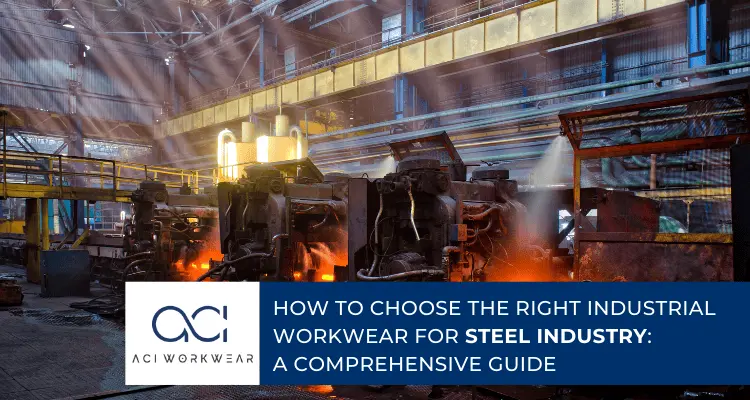
Introduction
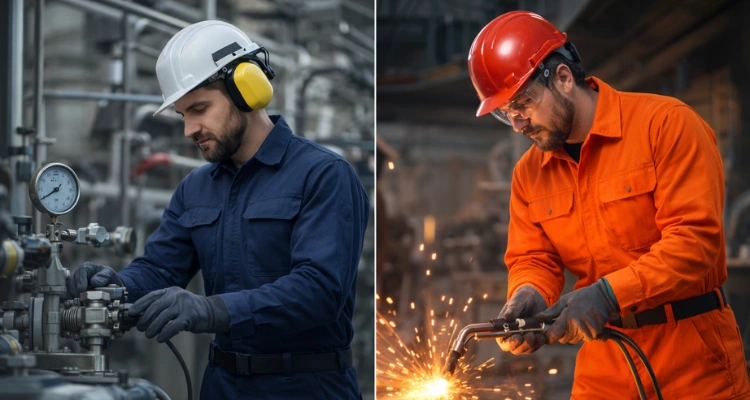
Choosing the right industrial workwear for steel workers is literally a matter of life and death. Steel plants are incredibly dangerous places where workers face boiling heat, splashing molten metal, blade-sharp edges, and massive machinery every day. The right protective clothing isn't just something the law requires – it's what keeps your workers from getting seriously injured or killed.
Steel workers need special work clothes that follow strict safety rules while still being comfortable enough to work all day. At ACI Workwear, we know that picking the right protective clothing means finding the perfect spot between keeping workers safe, choosing clothes that last, and staying within your budget.
This guide will teach safety managers and purchasing teams everything they need to know about choosing the best workwear for steel plant workers. We'll explain it all in simple terms so you can make the right decisions for your team.
What Makes Steel Industry Workwear Different from Other Industries?
Steel manufacturing environments present unique hazards that standard industrial uniforms simply cannot handle. Unlike general construction or warehousing, steel plants require clothing that can survive:
Extreme Temperature Variations: Workers move between blast furnaces reaching 2000°F and cooling areas, requiring versatile thermal protection.
Molten Metal Exposure: Splashes from casting and running operations demand flame-retardant materials with specific heat resistance ratings.
Sharp Metal Hazards: Cut-resistant fabrics become essential when handling steel sheets, rods, and finished products.
Steel industry workwear must also maintain flexibility for complex manual tasks while providing complete protection – a balance that requires specialized design and materials.
Which Safety Standards Should Your Steel Industry Workwear Meet?
Understanding compliance requirements helps procurement teams make informed decisions about protective clothing investments.
NFPA 2112: This standard covers flame-resistant garments for workers exposed to flash fire hazards – critical for steel plant operations near furnaces and molten metal.
ANSI 107: High visibility clothing standards guarantee workers remain visible around heavy machinery and in low-light foundry environments.
ASTM F1506: Specifies performance requirements for flame-resistant textiles used in arc flash protection – very important for electrical work in steel facilities.
ISO 11612: International standard for protective clothing against heat and flame, covering both convective and radiant heat protection.
Your safety workwear supplier should provide documentation proving compliance with relevant standards for each garment type.
How Do You Assess Heat and Flame Protection Requirements?
Steel operations involve various heat exposure levels requiring different protection grades.
Low-Risk Areas (maintenance, shipping): Standard FR coveralls with basic flame resistance join most requirements.
Medium-Risk Zones (rolling mills, finishing): Enhanced flame retardant coveralls with higher thermal protection values become necessary.
High-Risk Operations (blast furnaces, casting): Aluminized suits or specialized heat-resistant clothing provide maximum protection against radiant heat.
Conduct a thorough risk assessment of each work area to determine appropriate protection levels. Consider factors like proximity to heat sources, exposure duration, and emergency escape requirements.
What Role Does High Visibility Play in Steel Plant Safety?
Steel facilities often feature dim lighting, moving equipment, and complex layouts where worker visibility becomes important for preventing accidents.
Class 2 High Visibility Clothing suits most steel plant applications, providing sufficient reflective material for moderate-risk environments.
Class 3 High Vis Clothing becomes necessary for workers operating near cranes, heavy machinery, or in outdoor steel yards where maximum visibility prevents serious injuries.
Reflective safety jackets and hi-vis polo shirts work well for supervisory staff, while laborers typically require full high visibility clothing coverage including pants and outer garments.
How Should You Evaluate Fabric Durability for Steel Applications?
Steel industry workwear faces extreme wear from sparks, abrasion, and repeated washing in industrial laundries.
- Cotton-Nylon Blends: Offer good durability and flame resistance while maintaining breathability for long shifts.
- Aramid Fibers: Provide superior cut and heat resistance but come at higher costs – ideal for high-risk positions.
- Modacrylic Blends: Balance flame resistance with comfort and washing durability for everyday steel plant use.
Request fabric samples and washing test results from you protective clothing manufacturer to evaluate long-term performance under your specific operating conditions.
What Sizing and Fit Considerations Matter Most?
Proper fit directly impacts both safety effectiveness and worker productivity in steel environments.
Loose-fitting garments can catch on machinery or problem on sharp edges, creating serious safety hazards.
Tight clothing restricts movement during physical tasks and may tear under stress, compromising protection.
Work with suppliers offering complete sizing charts and consider custom fitting for critical safety positions. Many industrial workwear manufacturers provide on-site fitting services for large orders.
Steel Industry Workwear Comparison: Essential vs. Premium Options
| Feature | Essential Protection | Premium Protection |
|---|---|---|
| Heat Resistance | Basic FR treatment | Advanced multi-layer protection |
| Durability | 50-75 wash cycles | 100+ wash cycles |
| Comfort Features | Standard ventilation | Moisture-wicking, ergonomic design |
| Customization | Limited options | Full branding and sizing flexibility |
| Price Range | ₹800-1,500 per garment | ₹2,000-4,000 per garment |
| ROI Timeline | 6-8 months | 12-18 months |
How Do You Plan for Different Weather Conditions?
Steel plants operate year-round, requiring seasonal workwear versions.
- Summer Solutions: Lightweight FR fabrics with enhanced ventilation prevent heat stress while maintaining protection.
- Winter Requirements: Winter work jackets with flame-resistant shells and removable linings provide flexibility for variable temperatures.
- Rainy Season: Rain jackets for workers with flame-resistant coatings ensure protection doesn't compromise during wet conditions.
- Cold Storage Areas: Some steel facilities include cold protective clothing zones requiring specialized insulated garments.
What Maintenance and Care Protocols Extend Workwear Life?
Proper care significantly impacts both safety effectiveness and total cost of ownership.
Industrial Laundering: Use certified facilities familiar with FR garment care requirements to maintain protective properties.
Inspection Schedules: Implement weekly visual inspections for tears, burns, or excessive wear that compromise protection.
Replacement Criteria: Establish clear guidelines for when garments must be retired based on damage levels or wash cycle limits.
Storage Protocols: Proper storage stops contamination and extends garment life between uses.
How Can You Calculate Total Cost of Ownership?
Smart procurement considers long-term costs beyond initial purchase prices.
Initial Investment: Factor in garment costs, sizing, and any customization requirements.
Maintenance Costs: Include laundering, repairs, and storage facility expenses.
Replacement Frequency: Higher-quality garments often provide better value through extended service life.
Safety Compliance: Consider potential costs of accidents or regulatory violations from lacking protection.
Productivity Impact: Comfortable, well-fitted workwear improves worker efficiency and reduces downtime.
Which Customization Options Add Value for Steel Operations?
Strategic customization improves both safety and operational efficiency.
- Company Branding: Custom printed workwear improves professional appearance and helps identify authorized personnel.
- Department Color Coding: Different colors for various departments or skill levels improve safety protocols and workflow management.
- Reflective Placement: Customized reflective striping patterns optimize visibility for specific job functions.
- Pocket Configurations: Specialized pocket arrangements fit tools and equipment commonly used in steel operations.
What Questions Should You Ask Suppliers?
Vetting protective clothing manufacturers requires asking the right questions to confirm quality and compliance.
- Certification Documentation: Can you provide complete test reports and compliance certificates for all recommended garments?
- Local Support: Do you offer on-site fitting, training, and ongoing support for our steel facility location?
- Inventory Management: What systems do you have for managing our workwear inventory and replacement scheduling?
- Quality Assurance: How do you ensure consistent quality across large orders and multiple deliveries?
- Emergency Response: What protocols exist for urgent replacement needs or safety-critical situations?
How Do You Implement a Successful Workwear Program?
Rolling out new industrial workwear requires careful planning and worker buy-in.
Demo Testing: Start with a small group to identify any issues before full implementation.
Training Programs: Educate workers on proper use, care, and maintenance of new protective clothing.
Feedback Systems: Establish channels for workers to report comfort or functionality issues.
Performance Monitoring: Track safety incidents, compliance levels, and worker satisfaction to measure program success.
Conclusion: Partner with the Right Workwear Supplier
Choosing appropriate industrial workwear for steel industry operations requires balancing safety requirements, worker comfort, and operational costs. The right protective clothing investment protects your most valuable asset – your workforce – while guaranteeing regulatory compliance and operational efficiency.
ACI Workwear specializes in providing complete workwear solutions for steel industry applications. Our extensive range includes flame-retardant coveralls, high-visibility clothing, and specialized protective garments designed to have the unique challenges of steel manufacturing environments.
Ready to upgrade your steel facility's workwear program? Contact our safety specialists today for a complete assessment of your protective clothing needs. Visit ACI Workwear to explore our complete range of industrial workwear solutions or request a consultation to develop a customized safety program for your steel operations.
Protect your workforce with proven workwear solutions – because in the steel industry, the right protective clothing isn't just a purchase, it's an investment in safety, compliance, and productivity.